
3D Scanning and Reverse Engineering for Boats and Marine
Accurate digital models of hulls, decks, components and marine structures, even when no drawings exist.
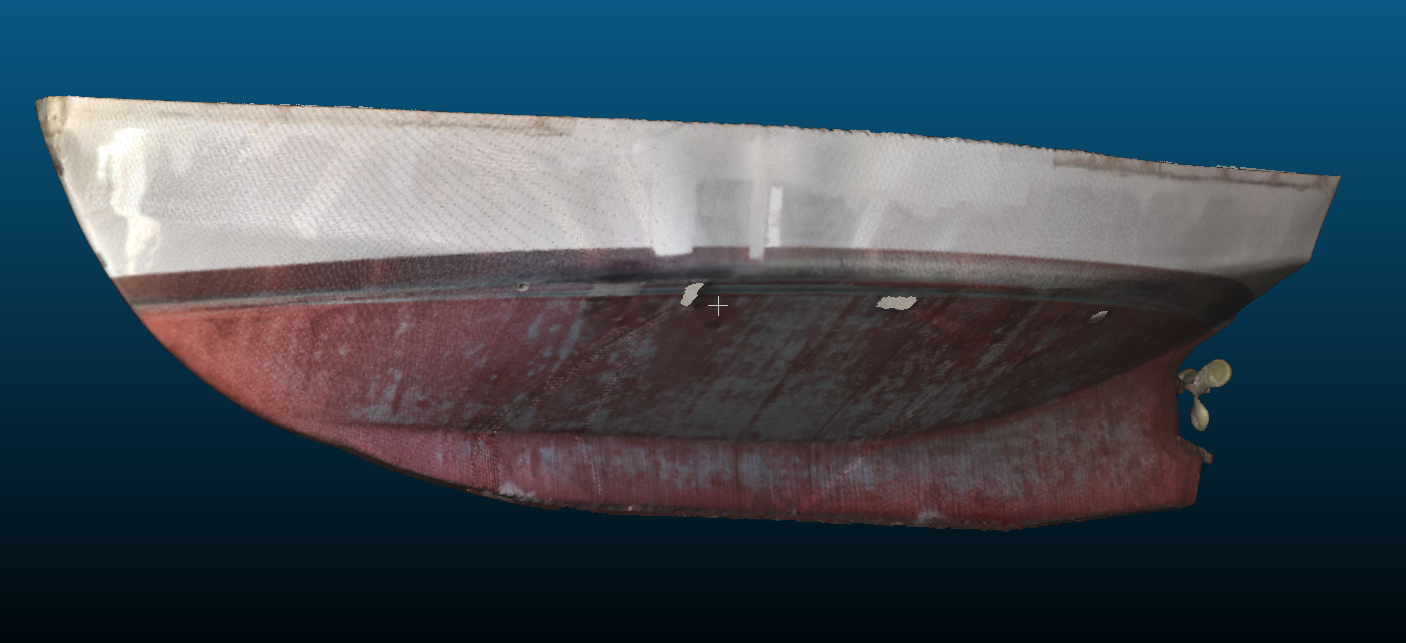
Boats are full of complex curves, and many were built without complete drawings or have been modified many times since. Recon's laser scanners capture every curve and detail of a hull, deck, interior or component. Boat builders, refit yards, naval architects and designers use our scans to design refits, replicate parts and digitise designs that only exist as physical boats.
The Problems We Help Solve
Work from an accurate model of the real boat.
-
Scan the boat as it is and work from an accurate model.
-
Design new interiors, hardware and structure against the scan, then fabricate off the boat.
-
Reverse engineer an accurate CAD model from the original.
What We Do
-
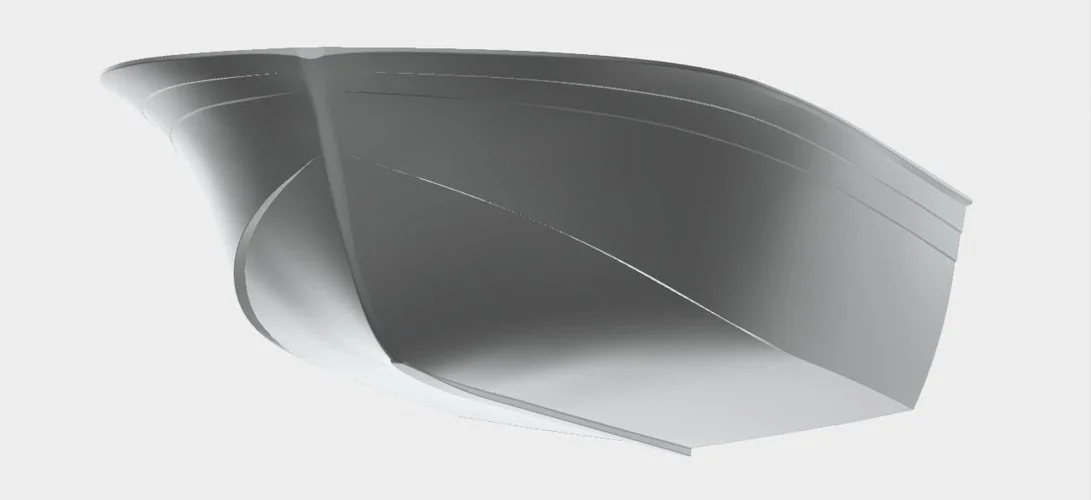
Hull & Deck Scanning
Complete hulls and decks, inside and out, as point clouds, meshes or CAD.
-
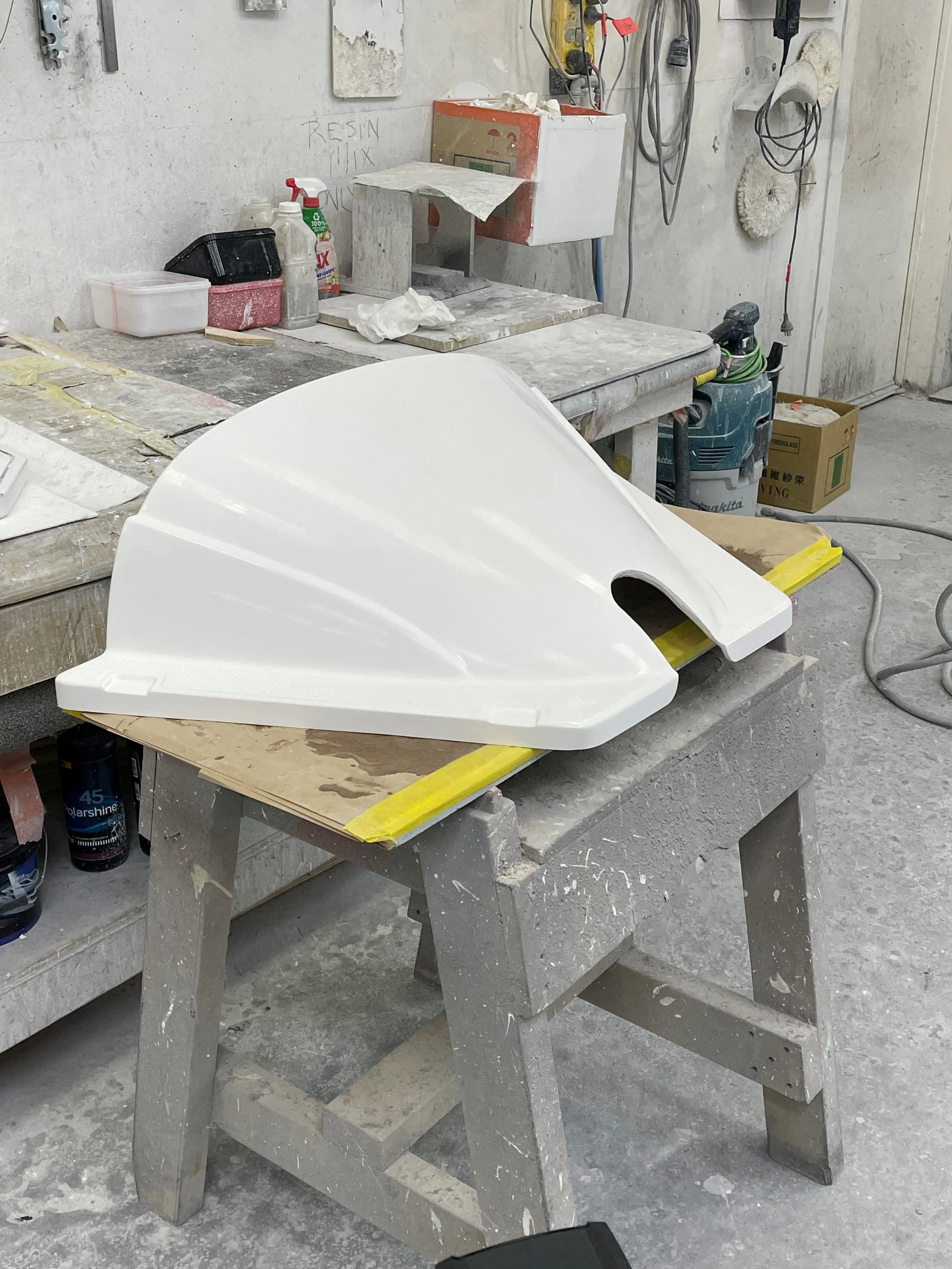
Refit Design
Engine rooms, interiors and superstructure scanned so new layouts fit the real geometry.
-
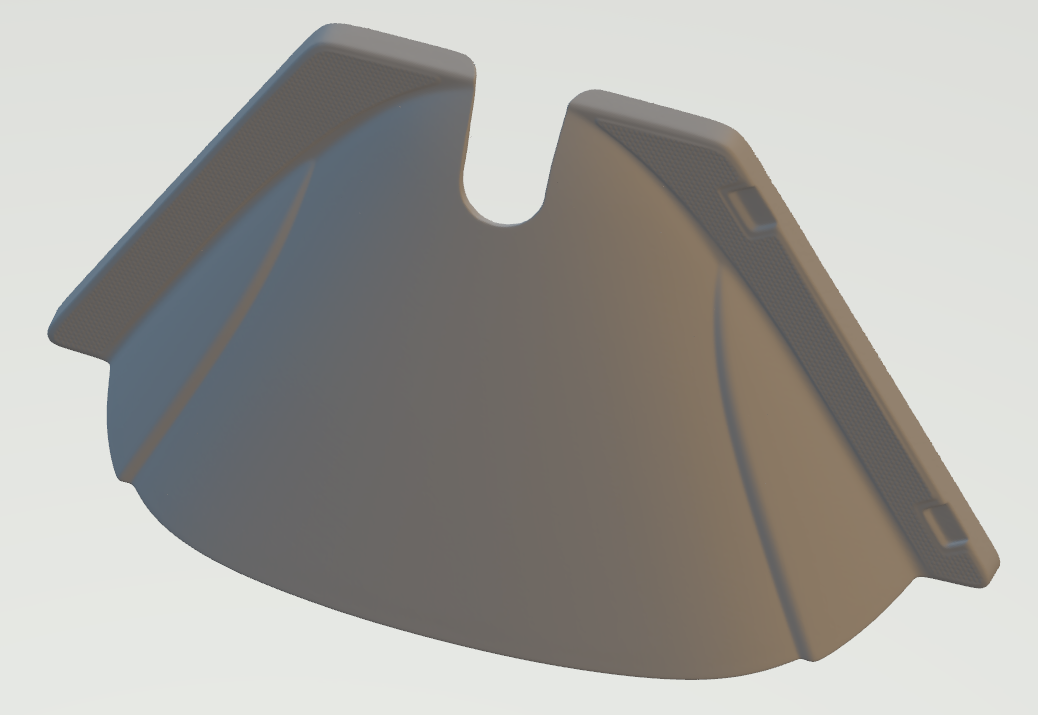
Components & Replication
Fittings and parts reverse engineered for remanufacture, plus fairness and deviation checks.
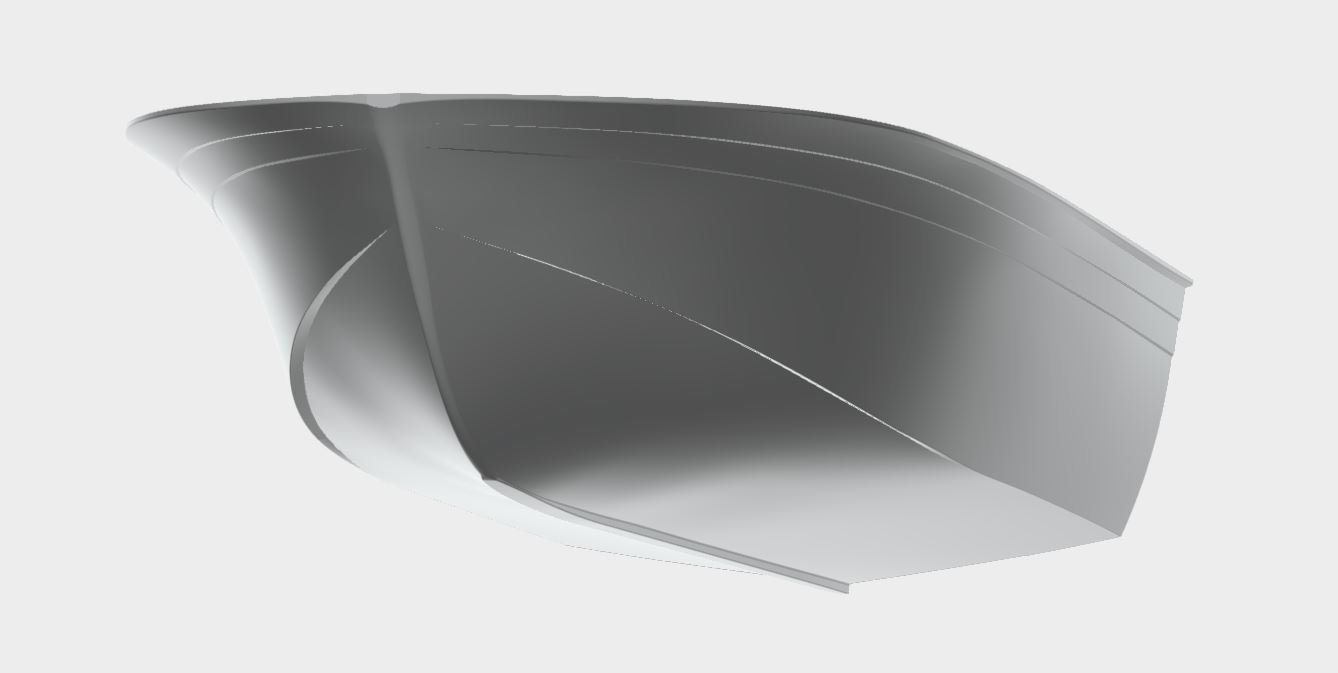
Digitising a Yacht With No Plans
For an accessible-sailing charity, Recon scanned a yacht class for which no formal design plans existed.
The scan data now supports a virtual-reality sailing simulator, so people in hospital, rehabilitation or at home can learn to sail.
Projects Across New Zealand
Recent marine work. Client names are withheld; we're happy to provide references.
Auckland: yacht with no design plans, for an accessible-sailing charity. 3D scan to digitise the design.
Auckland: production boat builders. Hull and component scanning for reverse engineering.
Auckland: yacht refit projects. Scanning for refit design.
Kaipara coast: 1865 schooner wreck. Laser scan and 3D colour model.
How We Deliver
We agree what to capture, the outputs and the format your designer or naval architect needs.
Scope
On the hard, in the shed or at the marina, usually in a day.
Scan
Point clouds within 3–5 working days, then meshes or CAD models as agreed.
Deliver
Certified, Safe and Fully Compliant
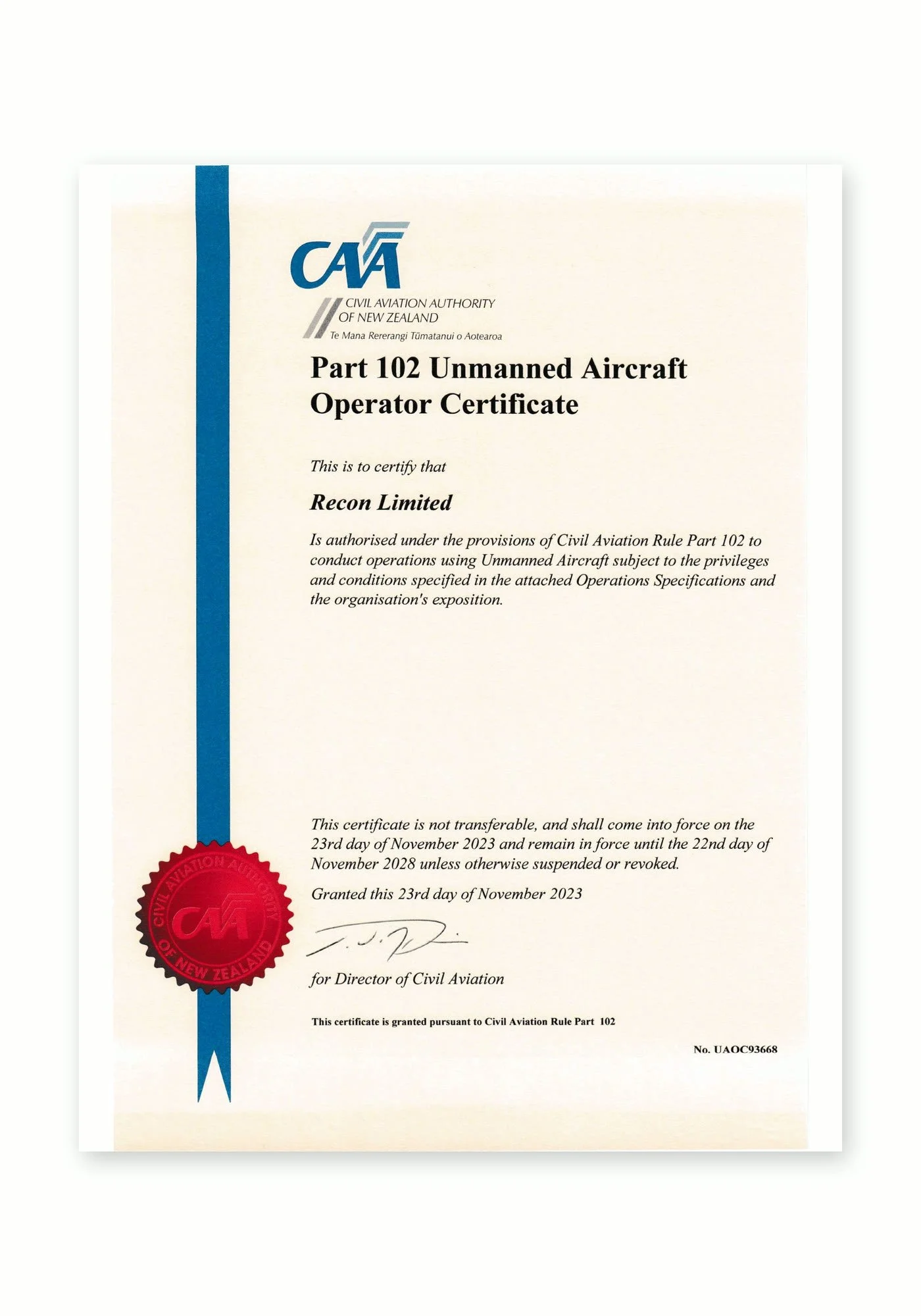
Recon is a CAA Part 102 certificated unmanned aircraft operator. Part 102 is the Civil Aviation Authority of New Zealand’s certification for commercial drone operators who need to work beyond the standard Part 101 rules, and it is only granted once the CAA has reviewed and approved how an operator identifies and manages every hazard and risk.
What Part 102 certification means for your project:
More places we can fly: our certificate allows us to be approved for work that standard Part 101 rules restrict, such as flying over people or property, near aerodromes or in controlled airspace, subject to the conditions of our certificate and the required permissions.
A CAA-approved exposition: every operation follows our approved procedures for pilot competency, aircraft maintenance, flight planning and emergency response.
Job-specific risk management: each inspection includes a site risk assessment, airspace checks and coordination with air traffic control, landowners and site managers where needed.
Ongoing CAA oversight: as a certificated operator we are subject to CAA audits, giving asset owners and principal contractors confidence that the work meets New Zealand aviation safety standards.
Alongside our Part 102 certification, Recon holds SiteWise Gold accreditation and is a Site Safe member, so our health and safety systems meet the expectations of New Zealand’s leading contractors and asset owners.
Marine FAQs
-
Yes. That’s one of the most common reasons clients come to us. We scan the boat as it is and produce an accurate model to work from.
-
Decks, interiors and topsides can be scanned at the marina. For the full hull, the boat needs to be on the hard or in a shed.
-
Our scanners are accurate to better than 2 mm point to point. A registered scan of a whole boat is typically accurate to a few millimetres overall, which suits refit design and replication.
-
Point clouds, meshes (OBJ, STL) and CAD models. We agree the format with your designer or naval architect first, so the model works in their software.
-
Yes. We can scan individual fittings and components and model them in CAD for remanufacture or modification.