
Architecture, Construction & Engineering – 3D Scanning, BIM and Site Mapping
Accurate existing-conditions data that de-risks renovations, reduces rework and gets design started sooner.
Every design starts with what's already there. Recon captures buildings, structures and sites in 3D, accurate to millimetres, and supplies the data in the formats your team already uses: Revit, CAD, point clouds and terrain models. We work with architects, engineering consultancies, property developers, project managers and contractors across New Zealand.
Problems We Solve
Reliable data from the start means fewer surprises on site.
-
Original plans rarely match the building after decades of changes. We scan what’s actually there.
-
Clashes are found in the model, before fabrication and construction, not on site.
-
A 3,000 m² commercial site can be scanned in a day, with point clouds in days, not weeks.
What We Do
-
Renovations & Scan-to-BIM
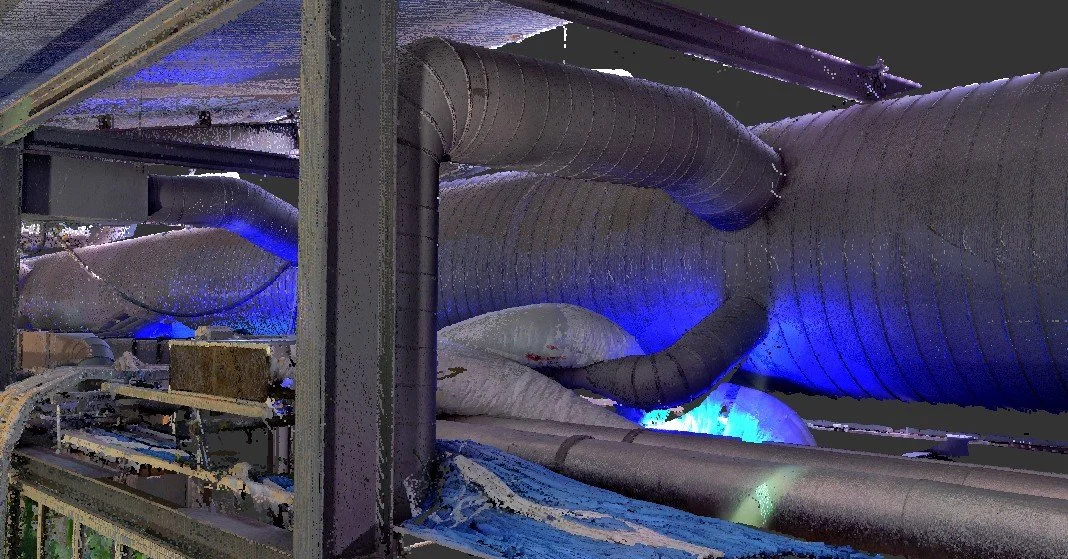
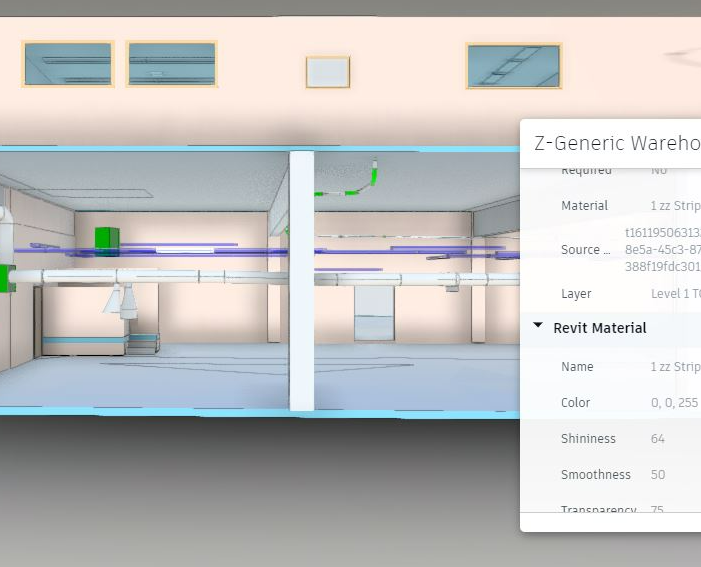
3D laser scanning creates an accurate model of an existing building, imported into Revit to plan and test renovation ideas before construction. Registered point clouds and Revit or CAD models for alterations, fit-outs and seismic upgrades.
-
Site & Topographic Surveys
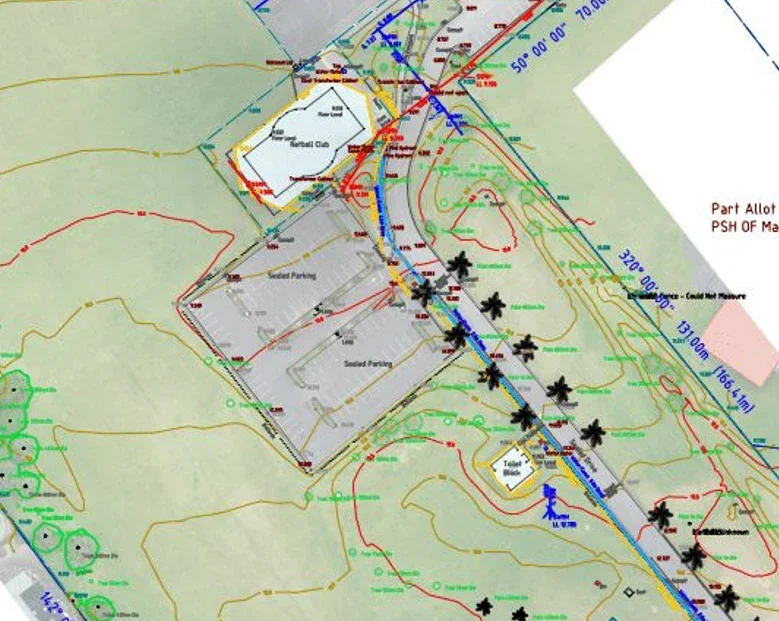
Terrain, structures, trees, services and boundaries captured for site planning, drainage and earthworks, tied to the LINZ datum. Delivered as topographic surveys, site plans, contour maps and volume calculations.
-
Construction Monitoring
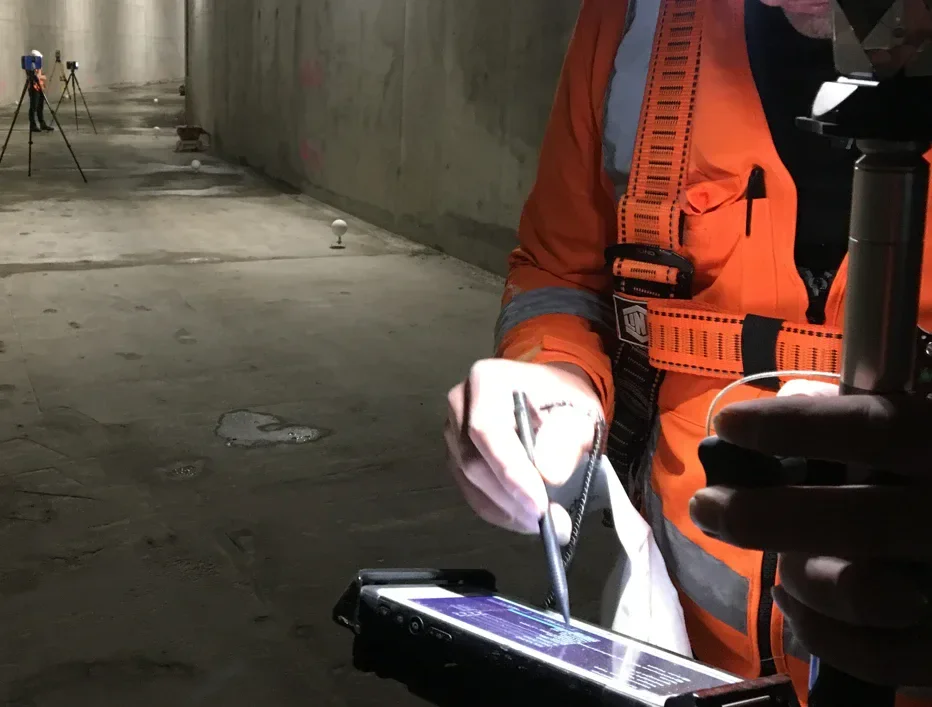
Laser scanning, total station and GNSS surveys during construction check set-out and completed work against the design, while regular drone mapping tracks progress and earthworks volumes, so issues are found before they become costly.
-
As-Built Surveys
An accurate record of a building’s current condition, highlighting changes from the original design. 3D laser scanning, drone LiDAR for roofs and GNSS for underground services support consent, council submissions and facility management.
-
Heritage & Reverse Engineering
Intricate details of generations-old buildings are scanned so damaged or missing elements can be replicated accurately, in a time-saving, less expensive manner. Reverse engineering and heritage projects across New Zealand and overseas.
-
Aerial Inspection & UAV Monitoring
Drone inspections at 0.5–1 mm pixel resolution safely assess the building and neighbouring properties, detecting cracks or damage from dewatering or ground movement early. Flown under our CAA Part 102 certificate.
Renovations, Fit-outs and Redevelopments
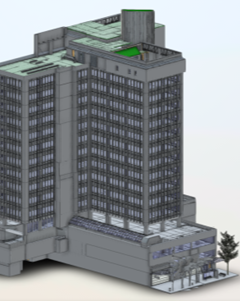
For The Stonewood Group’s 50-year-old Auckland CBD office tower being converted into a hotel and retail precinct, Recon scanned all 15 floors, the rooftop and the exterior, and supplied a Revit model and 360° walk-throughs.
For an architectural designer in South Auckland, two scanners completed over 100 scans of three adjoining commercial buildings in six hours. The registered point cloud was ready about 24 hours later, with IFC and DWG models within two weeks.
Projects Across New Zealand
A selection of recent projects. Clients are named where we’ve published a case study; for other projects we’re happy to provide references.
Auckland CBD: The Stonewood Group’s 280 Queen St office tower conversion to hotel and retail. Scanning of 15 floors, rooftop and exterior; Revit model and walk-throughs. Case study
South Auckland: three adjoining commercial buildings. 100+ scans in six hours; IFC and DWG models tied to LINZ boundaries. Case study
Auckland: 3,000 m² commercial site. One-day scan plus drone roof capture; Revit model of building and site. Case study
South Auckland: Great South Road bridge and stream underpass for Auckland Council. Scan and Revit model for shared-path design. Case study
Auckland: grandstand redevelopment. Scanning and modelling of existing structure.
Wellington region: shopping centre refurbishment. As-built scanning.
Samoa: colonial-era heritage residence, the Judge’s Residence in Apia. Interior and exterior scan, drone orthophoto, Scene2Go walk-through. Case study
Architecture & Construction FAQs
-
Our FARO scanners are accurate to better than 2 mm point to point. Registered point clouds are typically accurate to within a few millimetres across a building, which is well within what’s needed for design and fabrication.
-
Yes. Scanning is non-contact and quiet, and we work around staff, tenants and building operations. We often scan out of hours, or floor by floor as areas become available.
-
Either. Many clients take the point cloud (Autodesk ReCap RCP) and model in-house, while others ask us for a finished Revit or CAD model. We can also do both, in stages.
-
Yes. We place survey control and tie scans to the LINZ geodetic datum (NZTM2000, NZVD2016) or your local site grid, so models line up with boundaries and other survey data.
-
Fieldwork usually happens within one to three weeks of confirmation, depending on site access and our programme. Let us know if you’re working to a hard deadline.
-
Yes. We work throughout New Zealand and the Pacific. For specialist scanning work, travel is usually a small part of the total cost.