
Supporting architecture, engineering, and construction (AEC) industries
In today’s rapidly evolving built environment AEC industries are embracing advanced technologies to stay ahead.
These industries are increasingly turning to LiDAR technology, aerial mapping, 3D laser scanning, and advanced modelling to enhance design precision, streamline workflows, and improve project outcomes. These technologies provide highly accurate, detailed data that allow professionals to create realistic digital models of existing structures, topographies, and environments.
3D Building Scan & Revit Modelling for renovations
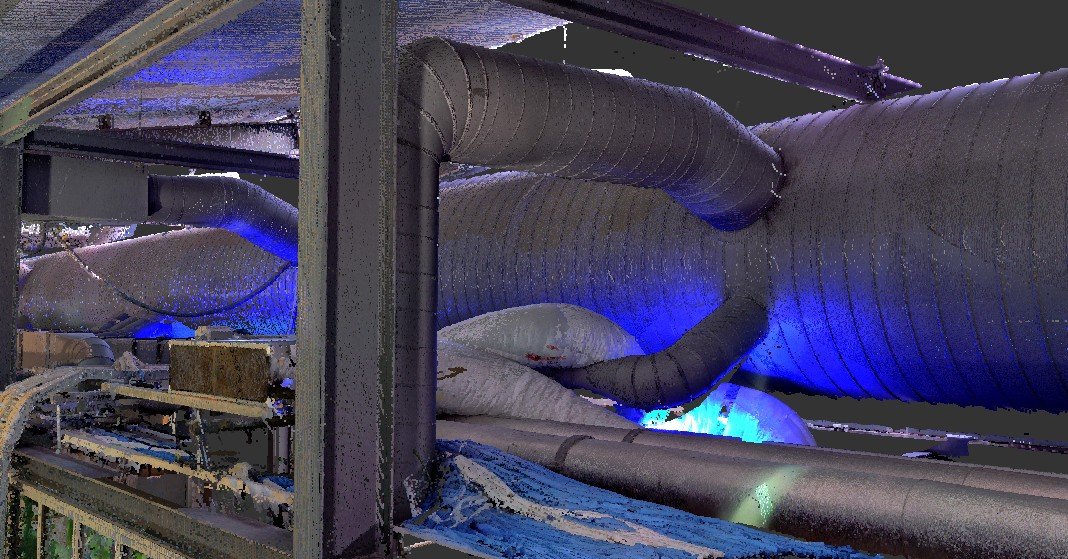
Using laser scanning or photogrammetry, a building's dimensions and details are captured in a 3D digital model. This scan shows an accurate picture of the building, including hard-to-access or hidden areas, which is especially useful for renovation projects. The detailed scan data is then imported into BIM software like Revit, where it serves as a precise foundation for planning changes.
In Revit, this 3D model can be modified to test renovation ideas and assess structural feasibility. Revit's tools allow architects and engineers to visualise different scenarios, make adjustments, and spot potential issues. This digital approach was recently used by The Stonewood Group who enlisted Recon to undertake 3D laser scans of all the internal floors, rooftop and exterior of their redevelopment project at 280 Queen St, Auckland. For more information on this project please click here.
Land surveying using 3D scan and modelling for reliable building plans
3D scanning provides highly accurate information about a site’s terrain, including existing structures, surface conditions, vegetation, and utilities. Using laser scans, Recon’s surveyors capture detailed measurements, which are turned into a 3D model of the site. Architects can then import this model into their design software to see the exact layout of the land and make informed decisions that respond to the real landscape – such as how the building will interact with the terrain, accounting for factors like drainage and sunlight. The client and builders can also clearly understand the proposed design.
As-built surveys for engineers and reconfiguring layouts
As-built surveys give an accurate picture of a building's current state, showing any changes made since the original design. Using 3D scanning or detailed measurements, these surveys capture all existing features, helping engineers understand the real layout, materials, and structure. This accurate information is essential for planning renovations, repairs, or upgrades.
With precise as-built data, engineers can make better decisions and avoid issues that could arise from outdated plans. Whether adding new systems or making structural changes, this data helps prevent mistakes.
Following the completion of the build project updating the as-built, or BIM model, can be beneficial for making any future modifications.
Aerial inspection of existing structures and surrounding environment during construction
Aerial inspection via UAVs (unmanned aerial vehicles) of the subject building or those surrounding it is a useful and safe way of monitoring any change or damage, often a requirement of the building consent. Cracks can appear during dewatering, for example, as this can affect the underlying ground composition.
Site aerial mapping during construction
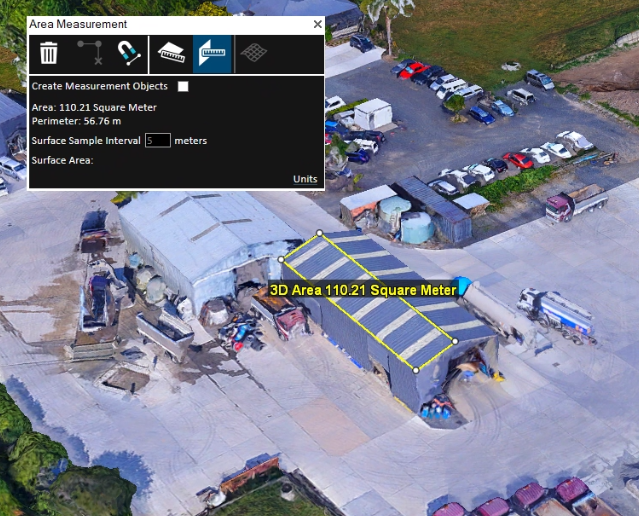
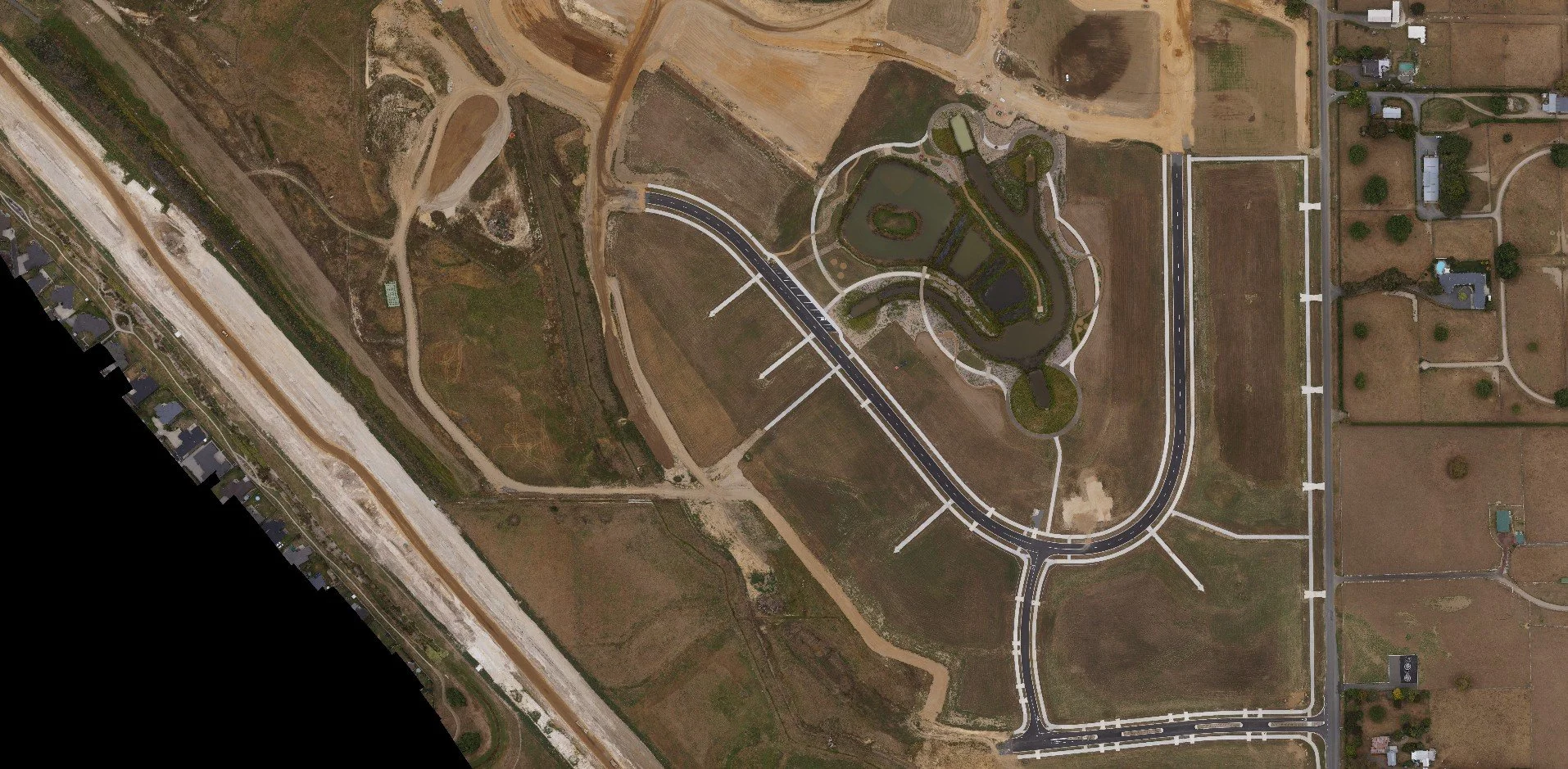
Aerial mapping during the construction process provides a clear, real-time view of the site and surrounding areas, helping teams track progress and check alignment with plans. Recon holds a 102 Unmanned Aircraft Operator Certificate and employs an experienced team of qualified UAV pilots that use drones to capture aerial mapping data. This allows construction managers to spot issues and understand the site conditions. It also provides a medium for remote consultants or stakeholders to monitor progress. Site mapping can also improve coordination between contractors and subcontractors as the build progresses.
Reverse engineering of historical buildings
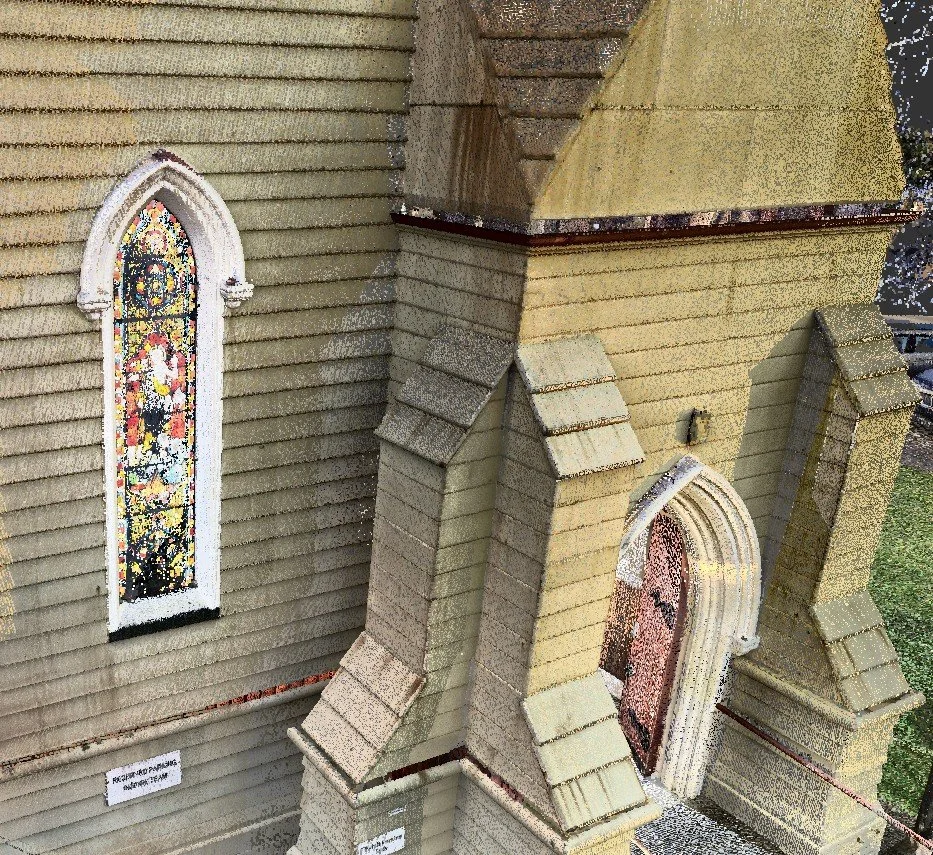
Reverse engineering enables professionals to study and analyse existing buildings to understand their design, materials, and construction methods. By identifying what makes certain structures strong, efficient, or long-lasting, construction teams can apply those insights to modifications. By examining how a structure was originally built, teams can accurately replicate old building parts that may have become damaged through time.
Enquiries to Recon can be made through freephone 0800 732 669 or email info@recon.nz