
Local governments are increasingly using aerial surveys, reality modelling and 3D scanning to enhance urban planning, infrastructure management, and public services. These technologies can help make informed decisions, improve planning processes, and ensure efficient resource management.
3D reality modelling supports planning
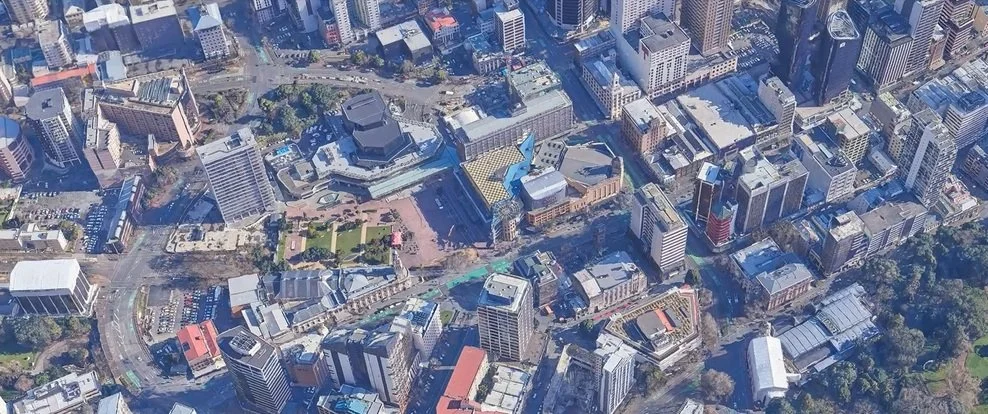
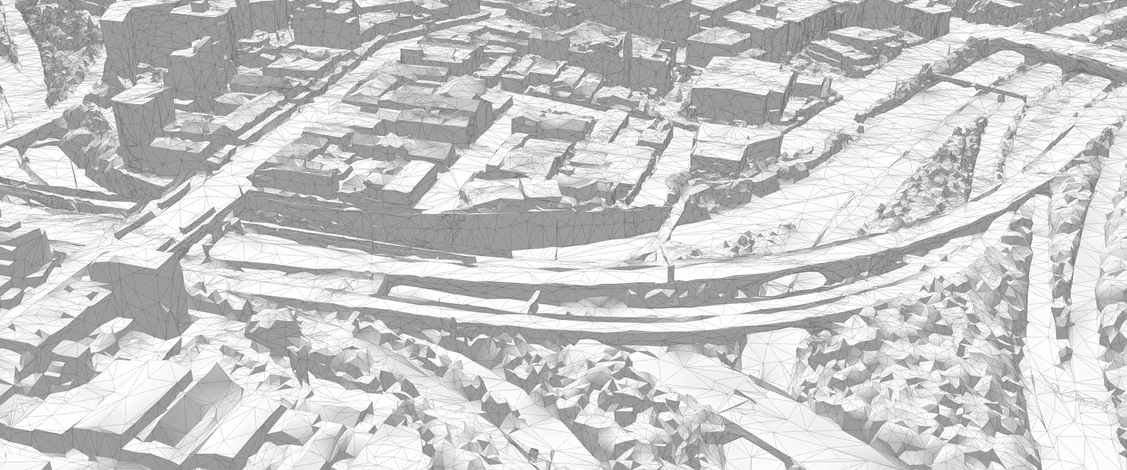
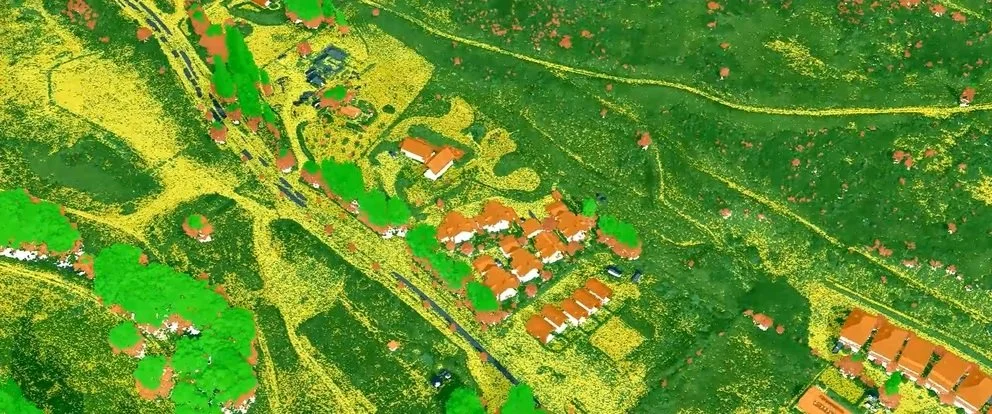
3D reality modelling creates detailed digital models from entire cities to intricate sites, showing buildings, roads, and landscapes in true 3D. This helps officials to visualise projects in context. They can see how developments will fit into the existing environment and spot potential issues like traffic or environmental concerns.
Recon combines advanced software with precise laser scanning and high-resolution UAV imagery to produce engineering-ready reality meshes. These can be loaded to the cloud - enabling flexible, on-the-go project planning anytime, anywhere!
Models can communicate plans to the public and other stakeholders, and people can explore changes to their community virtually, giving them a clearer understanding. Waikato DC's GIS dept embarked on a 3D mapping exercise of their townships, click here to read more about this exciting project.

River and stream GIS aerial photography for local government
GIS aerial photography offers detailed mapping of rivers and streams, helping officials to monitor water flow, identify flood risks, and observe changes over time. This valuable data supports effective flood management, helps protect water quality, and informs smarter land-use planning near waterways.
It can also help to identify areas in need of care or restoration, such as sensitive ecosystems or regions affected by erosion. It supports planning for infrastructure like bridges and dams, ensuring they are strategically located and resilient to natural changes over time.
Aerial mapping, topographic digital terrain models (DTM) and orthorectified aerial photography for beach and seawall
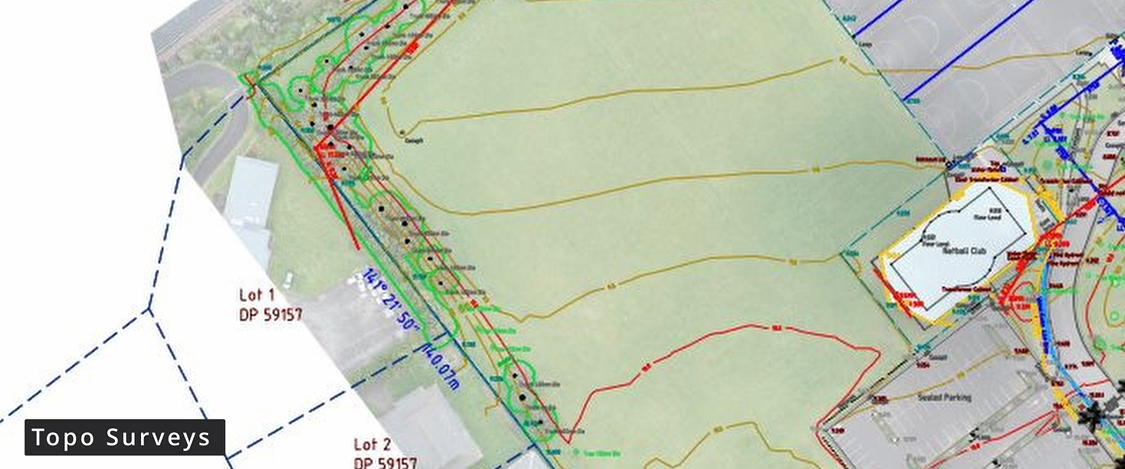
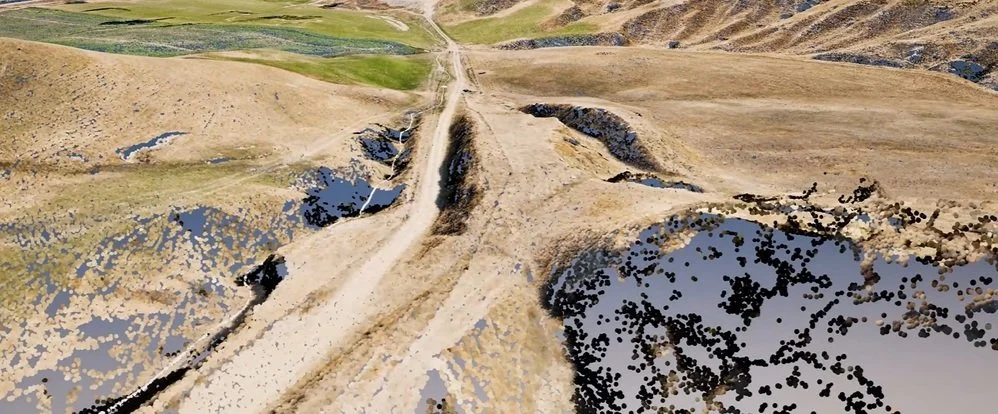
Beach and seawall aerial mapping, topographic DTMs, and orthorectified aerial imagery provide local governments with precise data for effective coastal management, showing the lands shape and elevation. These tools enable officials to assess the condition of seawalls, monitor erosion, and track shoreline changes over time. With this information, they can make informed decisions about when to carry out repairs or upgrades to better protect coastal infrastructure from storms and rising sea levels.
The Western Bay of Plenty District Council (WBOPDC) are reviewing the existing coastal inundation areas along the open coastline at Waihī Beach, Bowentown and Pukehina. Recon have completed biannual aerial surveys of the beach over the last 4 years using surveyed control and a commercial-grade UAV with gimbal-stabilised camera, learn more about this project here.
3D laser scanning for asset management and inspection
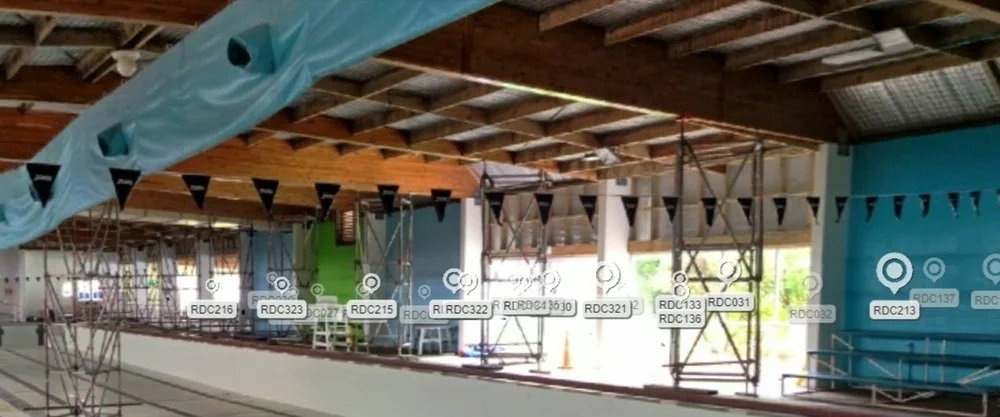
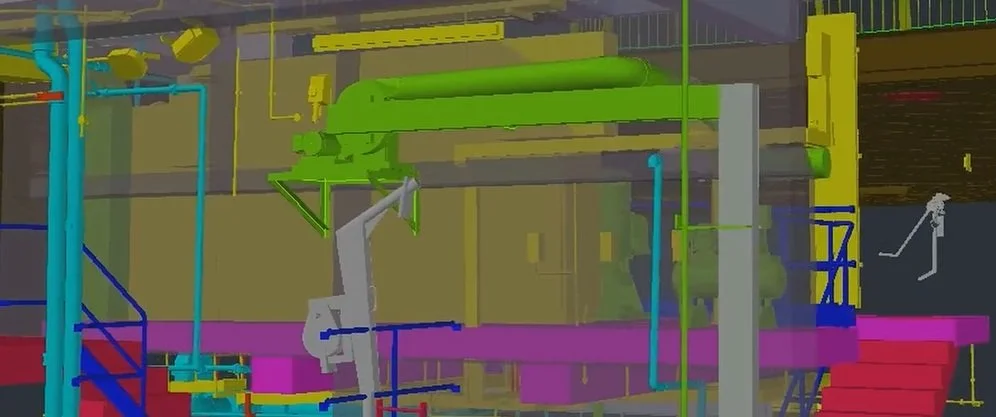
Local governments are adopting technologies like 3D laser scanning to enhance asset management and support decision-making for public infrastructure. External and internal scans of buildings capture precise, high-resolution data that contribute to structural renewal by generating accurate digital models. These models are invaluable to architects and engineers, allowing for precise measurements, clash detection, and more effective planning during the design phase.
By reducing the need for repeated site visits, 3D scanning streamlines workflows and saves time and resources. Integrating this technology into asset management processes enables local governments to plan and deliver infrastructure projects that are smarter, more efficient, and better aligned with long-term community needs.
Aerial survey for weed infested or polluted ponds and waterways
An aerial survey can help councils deal with weed-infested ponds by providing a clear view of the problem. Using drones, high-resolution images can show the spread and density of the weeds. This bird's-eye view makes it easier to see which areas need urgent attention and what types of invasive weeds are present.
This digital approach was recently employed by Biosecurity New Zealand (Ministry for Primary Industries (MPI)), in collaboration with Auckland Council, to learn more about this project, please click here.
In addition, drones provide a safe and economical approach for water sampling, allowing the team to capture samples down to 8m water depth before transporting the samples to the lab. The reporting can be via traditional means or represented in a 3D capacity which can enable staff to overlay other information such as feed pipes or demographic data.
Enquiries to Recon can be made through freephone 0800 732 669 or email info@recon.nz