
CAD Drafting & As-Built Drawings – Auckland & NZ
Recon provides CAD drafting and modelling services across Auckland and New Zealand. We use AutoCAD and Civil3D to produce accurate 2D drawings and 3D models from survey data, laser scans, aerial mapping and LiDAR capture. With nearly 45 years of combined CAD experience, our team turns field data into drawings your designers can rely on. We don't design. We draft exactly what's there, so your architect or engineer can design from it.
Why Use CAD?
Design decisions are only as good as the information behind them. Our CAD service turns the data we capture on site, from total station and GNSS surveys, 3D laser scans, aerial mapping and drone LiDAR, into accurate, editable drawings and models that slot straight into your design workflow.
Architects, engineers, councils and asset owners use our CAD outputs to plan renovations, design upgrades, check clearances and keep accurate as-built records, without the rework that comes from guessing what's on site.
Our CAD Expertise
We have nearly 45 years of combined CAD experience and have contributed to a wide range of high-profile projects. Using AutoCAD and Civil3D, we deliver everything from 2D floor plans and site plans to detailed 3D models, including scan-to-CAD and parametric modelling, tailored to your standards and software.
Because we capture the data ourselves, our CAD team works from verified, survey-controlled information rather than old drawings. We work with architects, engineers, councils, contractors and asset owners, and Recon holds SiteWise Gold accreditation for health and safety.
While our focus is the Auckland and Waikato regions, we also undertake projects across New Zealand and have proudly completed several international projects.
Ready to get started? Request a CAD quote from our Auckland-based team →
Our CAD Workflow
1. Data receipt and review
We review the survey, scan, LiDAR or aerial data, plus any existing drawings, and confirm the scope, level of detail and deliverables you need.
2. Coordinate system setup
Data is set up on the correct coordinate system and datum, so drawings tie into your site, LINZ survey marks and other project data.
3. CAD file build
Our drafters build the 2D drawings, 3D surfaces or models in AutoCAD and Civil3D from the verified data.
4. Layer and standards compliance
Files are set up to your CAD standards, layer conventions and templates, ready for your designers to use.
5. Client review and revision
We share drafts for review and make any changes before final issue.
6. Final export and delivery
Final files are exported in the formats you need (DWG, DXF, DGN or PDF) and delivered with supporting notes.
Topographic Survey
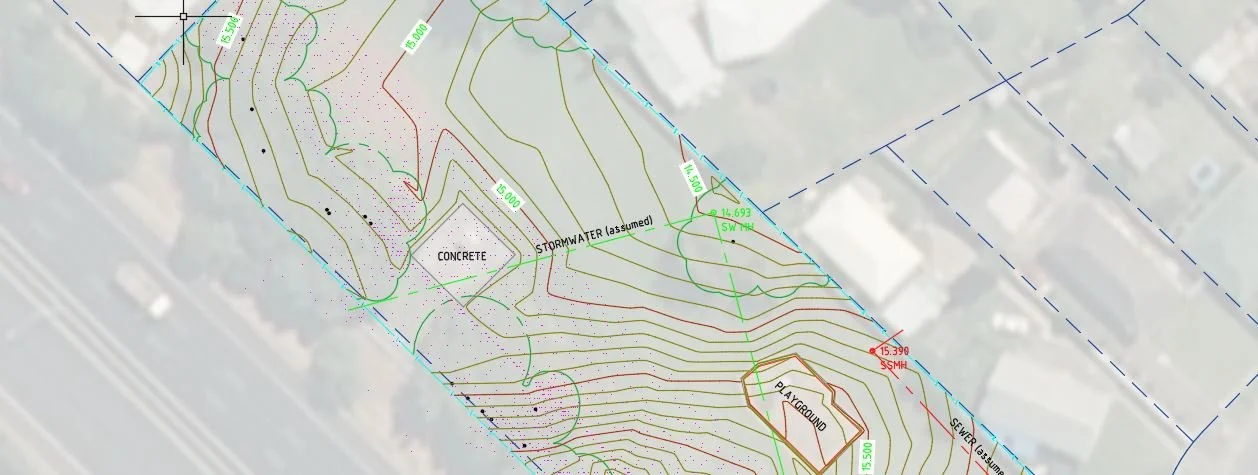
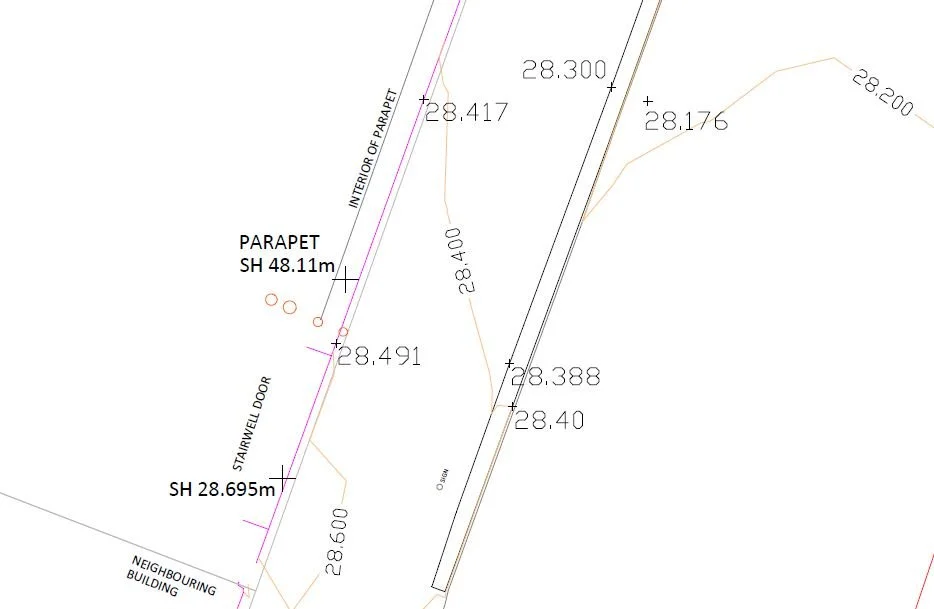
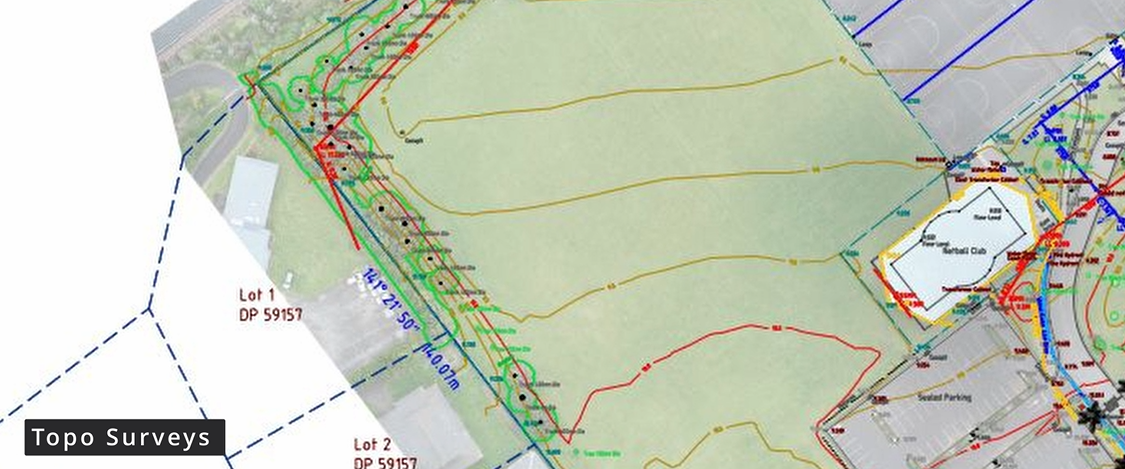
Detailed and accurate maps, plans and topographical models for construction projects, including building layouts and site plans, easily updated as new survey data becomes available.
3D Scan Asbuilt
Aerial Mapping
Case Studies
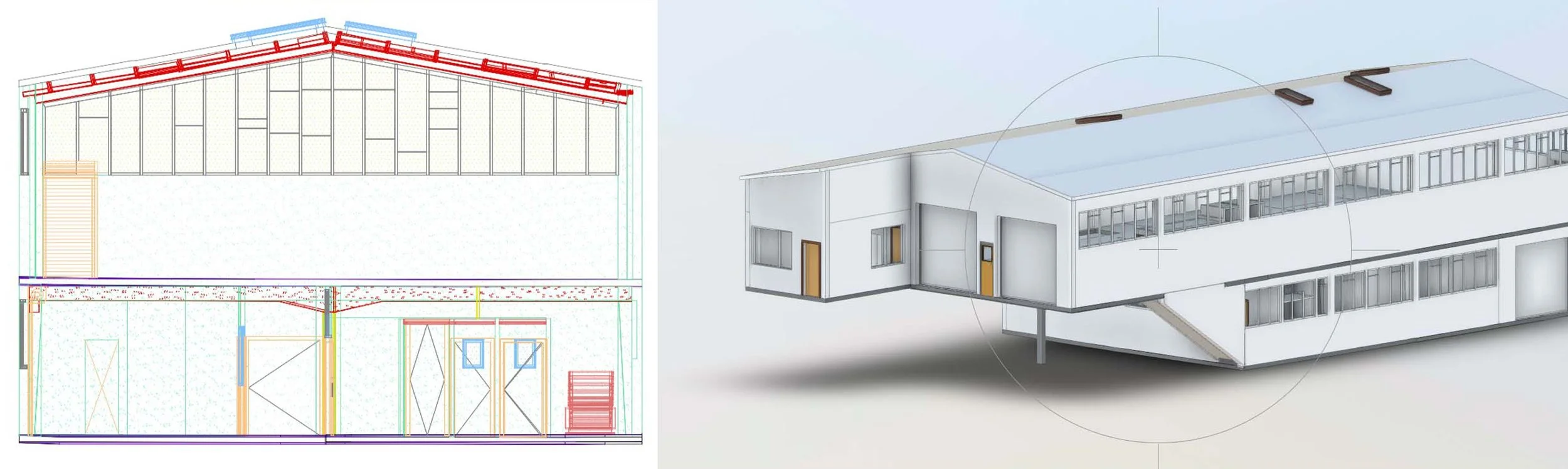
Building Renovation
Problem: Renovating ageing commercial buildings without accurate as-built information can lead to costly surprises, design rework and construction issues. The existing structures needed precise measurement before redesign could begin.
Approach: The buildings were laser-scanned using FARO Focus 3D scanners, capturing over 100 scans in 6 hours. The data was registered to LINZ survey datum for sub-centimetre accuracy, then converted into coordinated pointclouds and detailed 3D CAD models.
Outcome: Accurate IFC and DWG CAD models were delivered within two weeks, allowing the designer to focus on high-quality design with confidence. The precise as-built data reduced risk, improved documentation accuracy and supported a smoother construction process.
Watercare Asset Management – Pump Station Modelling
Problem: Watercare needed a better way to manage and renew ageing wastewater assets, as reactive maintenance and outdated as-built drawings increased risk and uncertainty during planning and design.
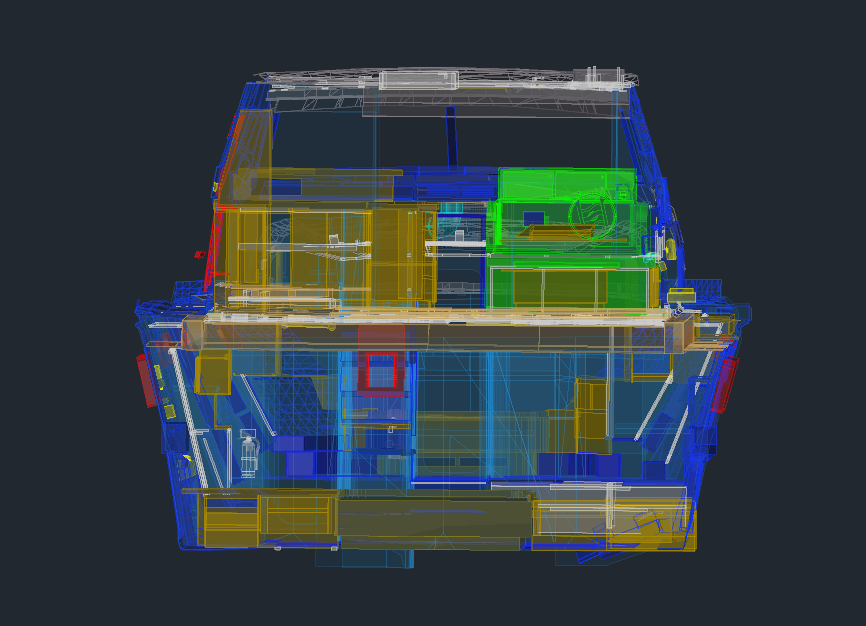
Approach: Through Watercare’s Wastewater Targeted Asset Renewal Programme (TARP), Recon captured accurate 3D pointcloud data and produced detailed CAD models of pump stations. Using laser scanning and survey control, we modelled internal and external structures and equipment with high accuracy, coordinating scanning with maintenance schedules to minimise disruption.
Outcome: Watercare gained a clear, reliable understanding of its assets, enabling informed decision-making, reduced risk and more effective planning for renewals over the next five years.
What is scan to CAD?
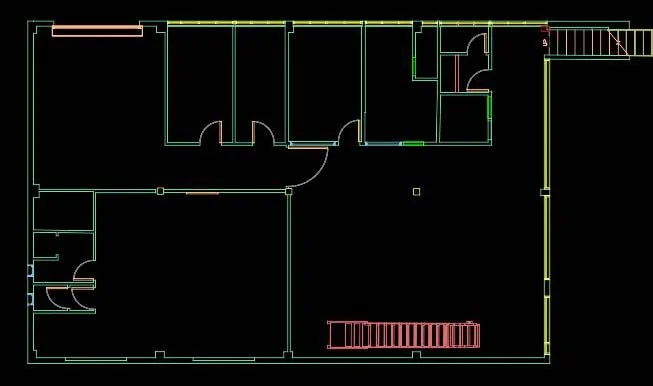
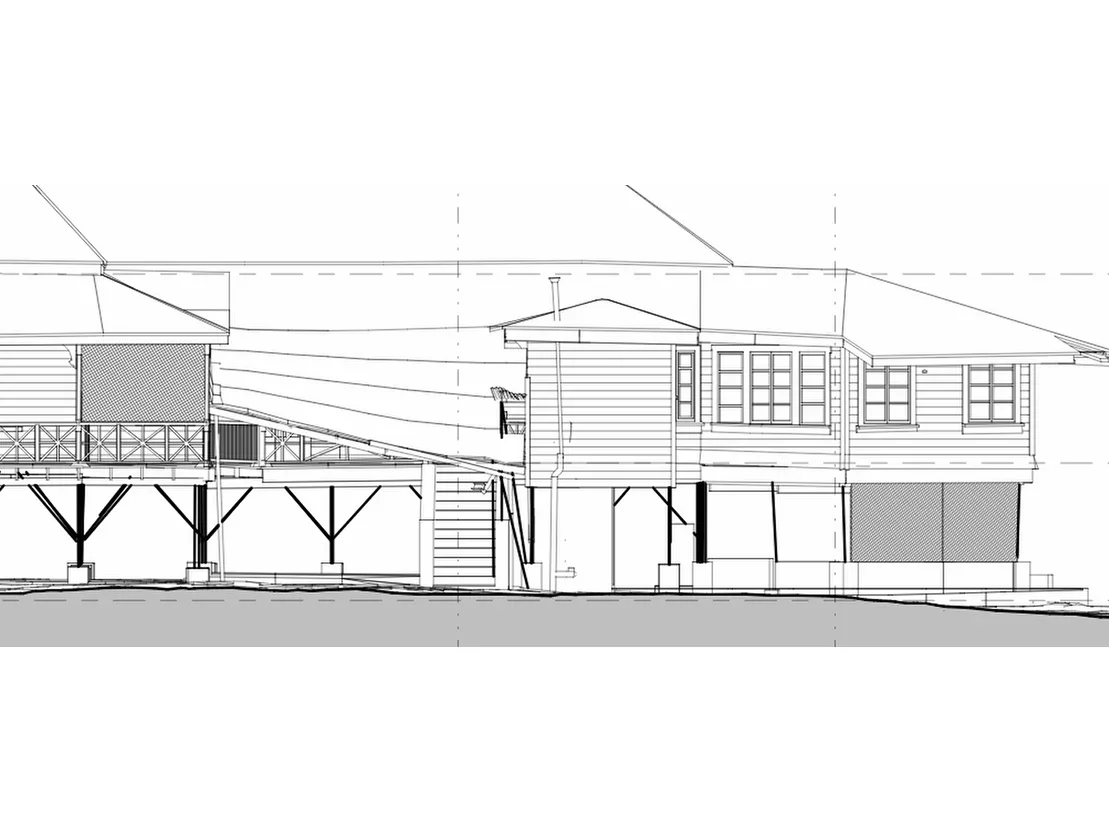
We laser scan or survey the existing building, site or asset, then our drafters trace the point cloud in AutoCAD or Civil3D to produce accurate 2D plans, elevations and sections, or 3D CAD. Because the drawings come from measured data, they show what was actually built, not what the original plans said.
What is an as-built survey?
An as-built survey records the final position and dimensions of a building, structure or services after construction or alteration. We capture it with 3D laser scanning, total station / GNSS survey or drone mapping, and deliver as-built drawings in DWG and PDF.
What Deliverables Will You Receive?
CAD drawing files – Editable files so engineers, architects and planners can continue working with the data. Formats: DWG, DXF or DGN.
Site plans – The layout of a site, including property boundaries, buildings, roads, utilities and other key features. DWG and PDF.
Topographic maps – The terrain of a site, including elevation changes, contours and natural features such as trees, waterways and slopes. DWG and PDF.
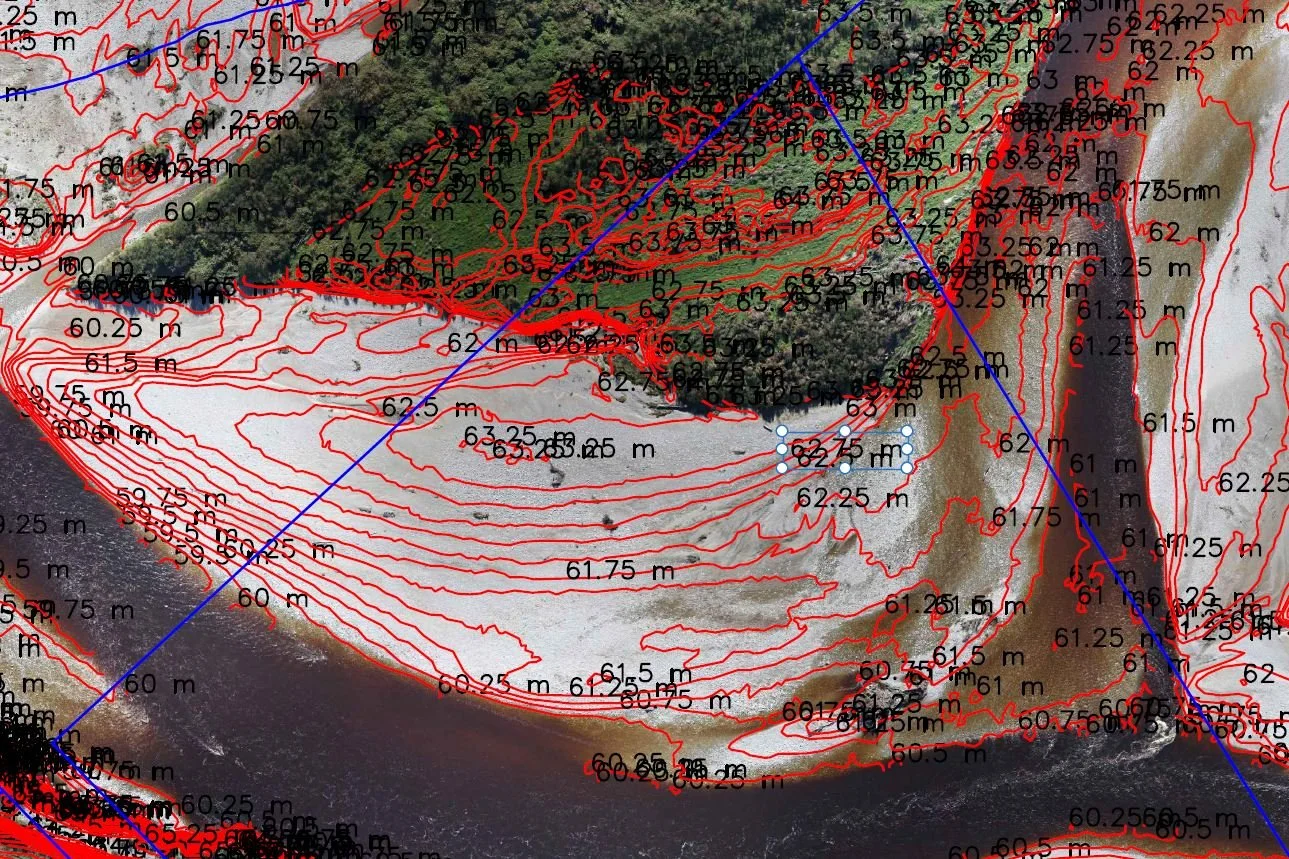
Contour plans – Lines of equal elevation across a site, helping engineers and planners understand the shape and slope of the land. DWG or DXF.
As-built drawings – The final constructed position of structures, utilities or infrastructure after a project has been completed. DWG and PDF.
3D terrain models – 3D surface models of the land, used for grading, drainage and design analysis. Civil3D surface, TIN or DXF.
Cross-sections and profiles – Vertical slices through terrain or infrastructure, commonly used for roads, drainage, pipelines and earthworks. DWG and PDF.
PDF plans for review and sharing – PDF versions of plans so they can be easily shared with project stakeholders.
Need accurate CAD drawings or models? Talk to our team today →
Industries We Work With
-
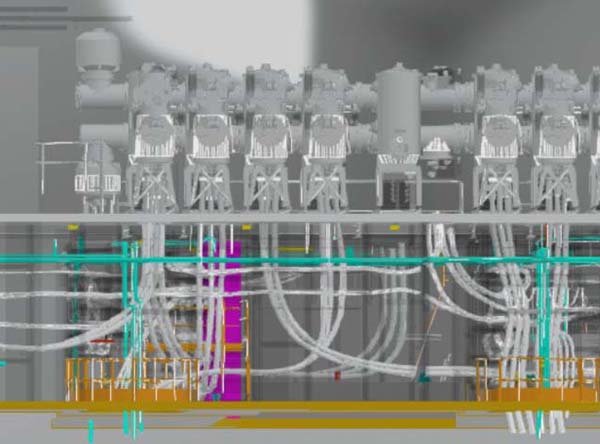
Energy & Utilities
Solar and wind farms, power lines, substations and telecommunications towers.
-
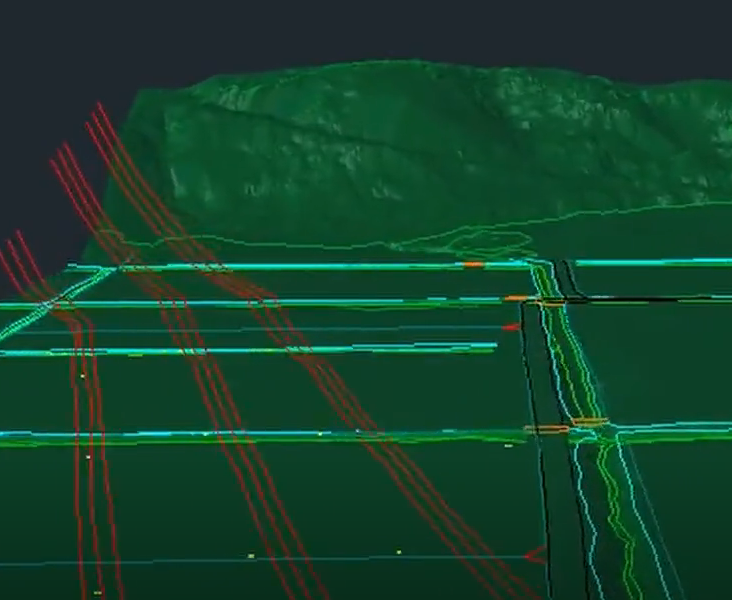
Solar & Wind Farm Surveys
Drone LiDAR and topographic surveys for renewable energy sites, from feasibility to as-built.
-
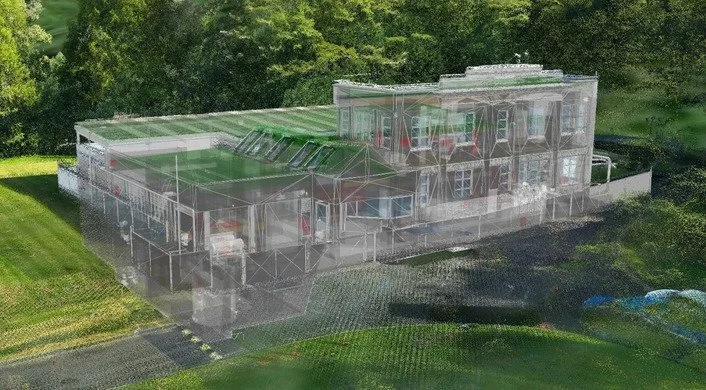
Water & Wastewater
Treatment plants, pump stations and network sites, scanned and modelled for upgrades.
-

Architecture, Construction & Engineering
Scan-to-BIM, as-builts, site surveys and construction monitoring.
-
Local Government
Reality models, coastal monitoring, environmental surveys and council assets.
-
Transport & Infrastructure
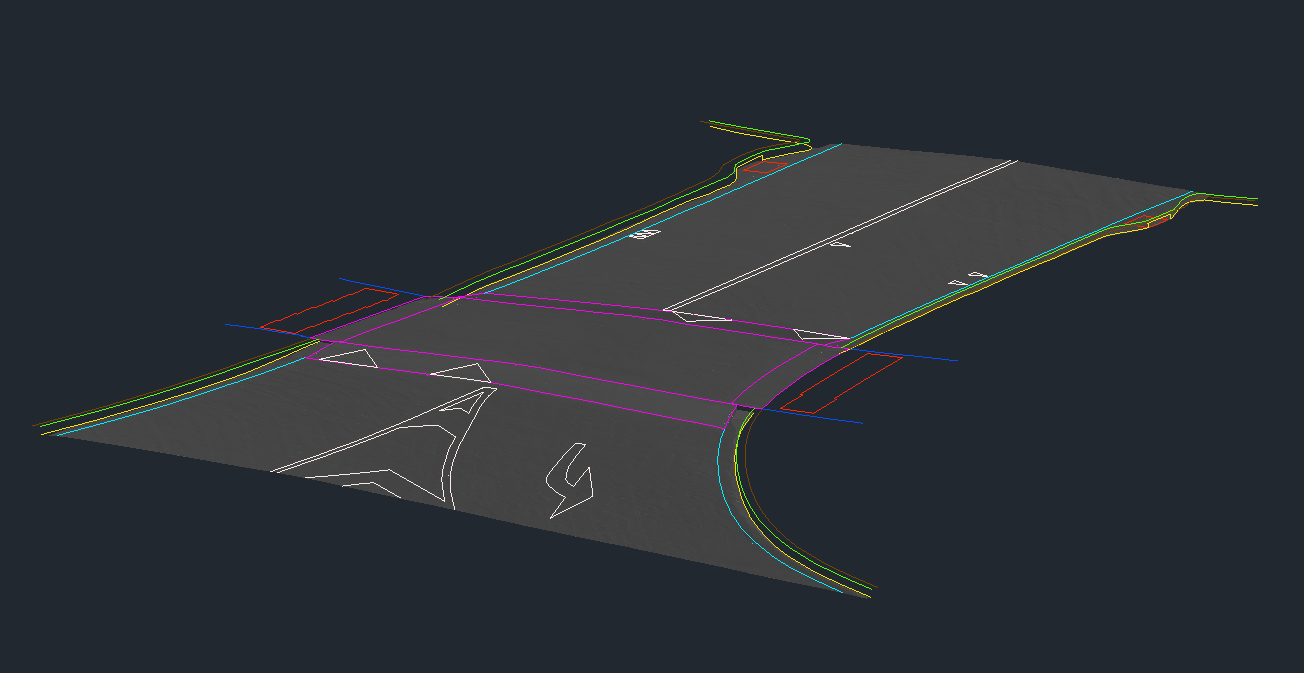
Road and rail corridors, bridges, tunnels and natural hazard surveys.
-
Industrial & Manufacturing
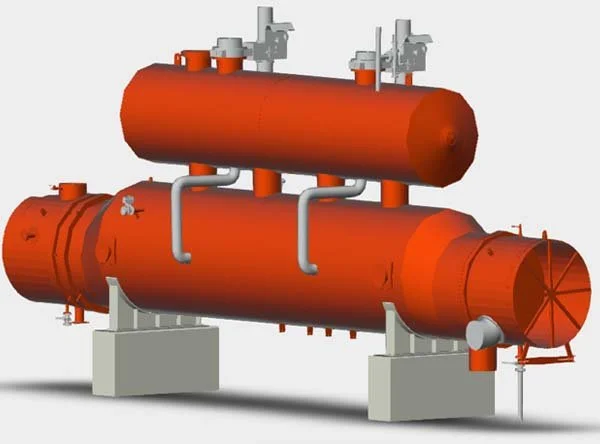
Plant and factory scanning, clash detection and reverse engineering.
-
Heritage
Non-contact records for conservation, strengthening and virtual access.
-
Marine
Hulls, yachts and components scanned and reverse engineered.
FAQs
What drawings can you produce from a laser scan?
Floor plans, elevations, sections, reflected ceiling plans, site plans, topographic and contour plans, and 3D CAD. All in DWG, DXF, DGN or PDF, set up to your layer standards.
What is the difference between scan to CAD and scan to BIM?
Scan to CAD gives you 2D drawings or 3D CAD geometry. Scan to BIM gives you an intelligent Revit model with walls, floors and services as objects. Many projects use both.
Do you do CAD design?
No. We capture and draft what already exists, so your designer starts from accurate as-built information. For parts and products, see reverse engineering.
Can you work to our CAD standards?
Yes. We set up layers, blocks, title blocks and coordinate systems to your templates, including NZTM and local datums tied to LINZ marks.
How accurate are as-built drawings from a laser scan?
Drawings are drafted from point clouds registered to survey control. They're as accurate as the scan itself, and the drafting tolerance is agreed with you when we scope the job.
Send us your plans, data or project requirements and our Auckland-based team will be in touch. We work across Auckland, Waikato and NZ wide.