
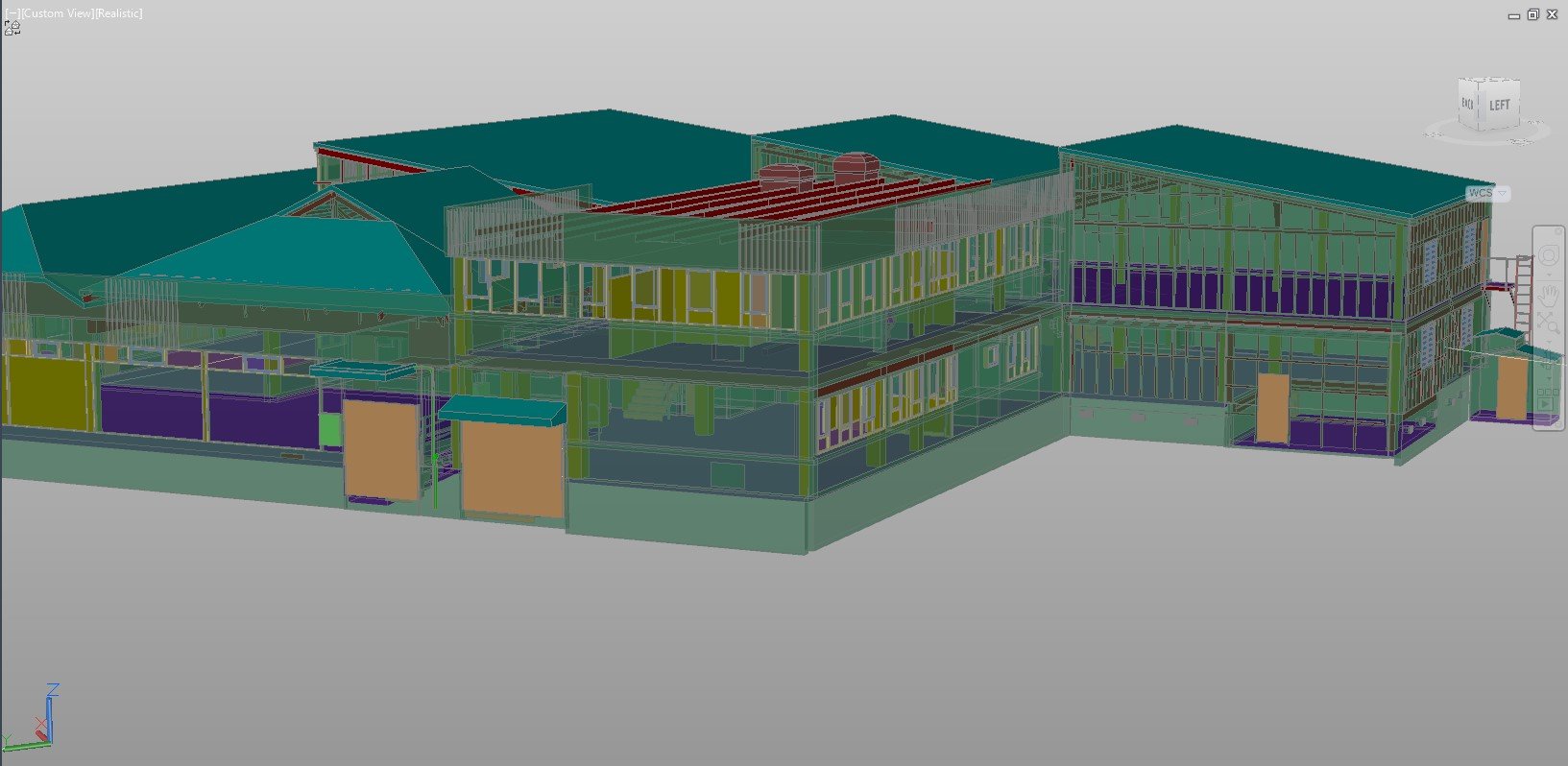
3D Laser Scanning Services in New Zealand
Professional 3D laser scanning company in NZ delivering accurate point cloud data, BIM models, and detailed site measurements.
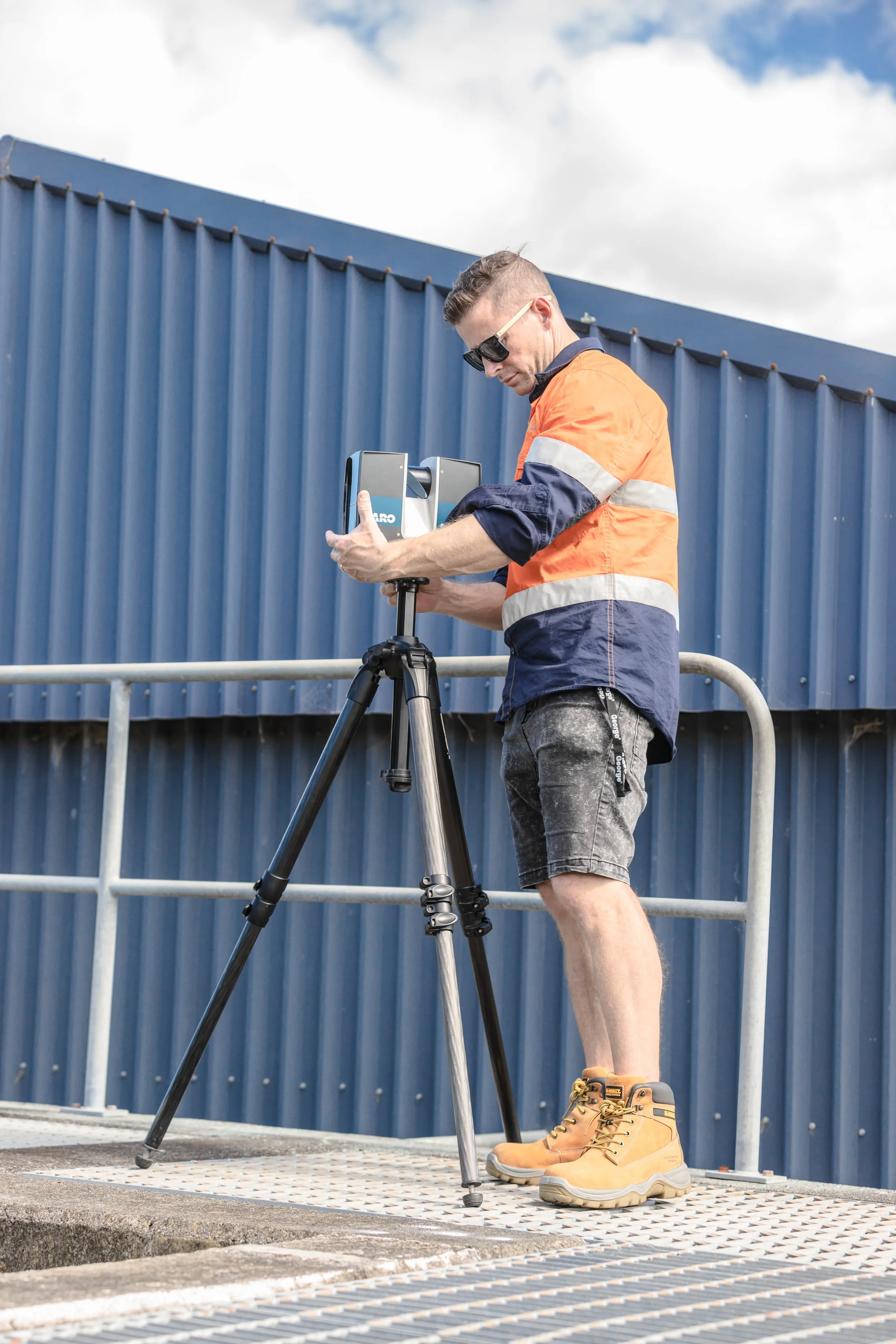
Equipped with industry-leading FARO laser scanning technology, the Recon team delivers precise, high-resolution measurements of objects, structures and environments. With over 400 completed scanning projects across New Zealand, Recon brings extensive real-world experience to every job.
Why use 3D Laser Scanning?
This is a non-invasive method of surveying, which means it does not require any physical contact with the object or environment being scanned. Millions of points per second are captured, resulting in an extremely detailed and accurate digital representation of the surroundings, from which we can build a 3D model.
3D laser scanning is commonly used in a variety of industries, including architecture, engineering and construction (AEC), industrial factories and complex plant, marine infrastructure and cultural heritage preservation. It can be used to create accurate 3D models of buildings, roads and streetscapes, bridges, tunnels and other structures, as well as to capture the details of historical artifacts sites and physical landforms.
-
Our 3D Laser Scanning Expertise
We have provided 3D scanning services for a variety of industries to improve planning and design, reduce project time and costs, enhance safety and increase efficiency and productivity. Accurate scans mean fewer surprises, fewer clashes and cost overruns, and projects that come in on time!
While we primarily operate within the Auckland, Waikato, Bay of Plenty and Northland regions, we also take on projects nationwide and have had the pleasure of working on several international projects.
"Recon have helped us with aerial drone surveys, 3D laser scanning and 3D modelling work. Their work across these various services has been fantastic and I would recommend them highly. To top it off, they are consistently very responsive and timely with their work."
Yin Lee - GHD
-
Call or email us today to see how we can support your next project.
Workflow
1. Project Planning & Scope Definition
Define deliverables and accuracy requirements (e.g., point cloud, mesh, BIM model, CAD plans, tolerance levels).
Assess site conditions and constraints such as access, safety risks, lighting, reflective surfaces, and line-of-sight limitations.
Determine scan density and coverage strategy based on the required level of detail and project scale.
Select appropriate equipment (scanner, targets, GNSS, total station, tripods).
Prepare risk assessments and site documentation, including client requirements and safety procedures.
2. Control Setup & Site Preparation
Establish survey control points using GNSS or total station tied to the project coordinate system.
Place reference targets or spheres throughout the site to assist with scan registration and alignment.
3. Field Data Capture (Scanning)
Position scanner strategically to minimise shadowing and maximise coverage of key features.
Capture scans with appropriate resolution and quality settings depending on deliverable requirements.
Ensure sufficient overlap between scan stations (typically 30–50%) to support accurate registration.
4. Data Transfer & Backup
Download scan data from the scanner to secure project folders on a workstation or server.
Create immediate backups to external drives or cloud storage to protect against data loss.
Organise data logically (by scan station, area, or date) for processing.
5. Scan Registration
Import scans into processing software (Faro Scene).
Align scans using targets, spheres, or cloud-to-cloud registration methods.
Apply survey control coordinates to georeference the dataset to the project coordinate system.
Check registration errors and residuals, ensuring they fall within acceptable tolerances.
Review vertical and horizontal alignment visually to confirm that surfaces and features match correctly.
6. Point Cloud Cleaning & Optimisation
Remove noise and unwanted data such as moving objects, people, or vegetation motion.
Clip or segment the point cloud to isolate relevant project areas.
Classify or organise data layers for easier modelling and interpretation.
Reduce point density where necessary to optimise performance while preserving accuracy.
7. Modelling & Data Extraction
Extract geometric features such as surfaces, edges, pipes, or structural elements.
Create CAD drawings, 3D models, or BIM objects from the point cloud.
Generate sections, elevations, or floor plans if required by the client.
8. Quality Assurance & Validation
Verify model accuracy against the original point cloud to confirm correct interpretation.
Check control point alignment and coordinate system consistency.
Perform independent review or peer checking before issuing deliverables.
Document accuracy results and processing steps for report.
9. Deliverables & Client Handover
Export final datasets such as registered point clouds (E57, RCP, LAS), CAD files, or BIM models.
Provide visualisation outputs such as Scene2Go or web-based viewers (Cintoo).
Include metadata and documentation describing coordinate systems, accuracy, and methods in final report.
-
What is 3D Laser Scanning?
A surveying technique that uses laser to measure and capture precise 3D data of an object or environment.
The laser scanner emits a beam of light which is then reflected off the object or environment and recorded by the scanner. This data is then used to create a highly accurate 3D model of the object or environment. In a country like New Zealand, where terrain is often unpredictable and demanding, 3D laser scanning delivers safer, faster and more reliable results than traditional surveying methods.
-
Benefits of 3D Laser Scanning in NZ
Some of the advantages of 3D laser scanning include its high accuracy, speed and ability to capture large amounts of data in a short amount of time. It can also be used in challenging environments, such as areas with limited accessibility or hazardous conditions, making it a safer alternative to traditional surveying methods. Additionally, the 3D models created from the laser scanning data can be easily shared and manipulated, making it a valuable tool for design and planning.
High accuracy: Sub-centimetre precision suitable for design, engineering, and construction.
Time efficiency: Much faster than manual measurements for large or complex sites.
Safety: Non-contact scanning keeps surveyors out of hazardous environments.
Comprehensive data capture: Records every detail, including difficult-to-measure areas.
Reduced rework: Accurate as-built data reduces design errors and construction delays.
Versatility: Can support architectural, civil, heritage, mining, and VR/AR projects.
What Deliverables Will You Receive?
Clients can receive
3D CAD drawings (DWG)
Revit models / BIM-ready outputs
Point cloud data
Accurate measurements
As built surveys
Quality control capabilities
Topographical survey data
DTM/contours for ground modelling
Industries We Work With
-
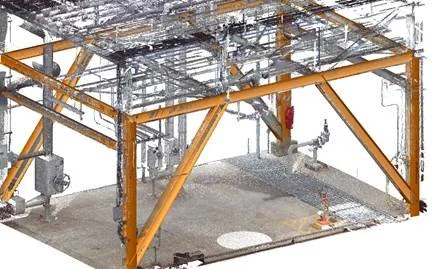
Architecture, Construction & Engineering
Pre-design 3D dimensioning and modelling
CAD and Revit model generation
QA during build by comparing the scan data to design
Integral 3D component of BIM model
Clash detection and identifying potential design issues - before building starts!
-
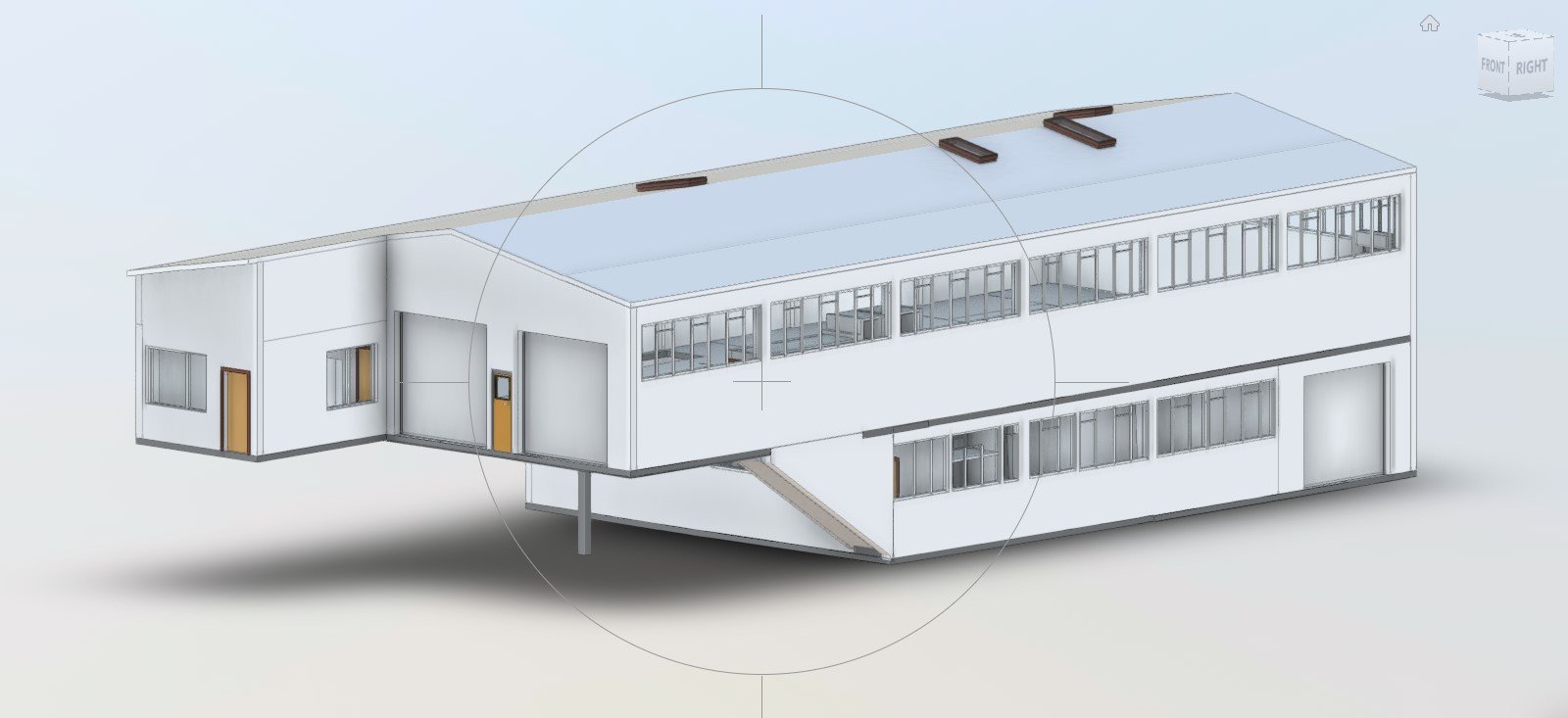
BIM
Scanning of the existing building and surrounding environment is often the first component of a successful BIM project
Generate survey-accurate 3D CAD drawings (DWG), floor plans and elevations
Enable detailed 3D pointcloud to be transformed into information-rich Revit models
Recon welcomes partnership opportunities if you think your company offers complimentary services
-
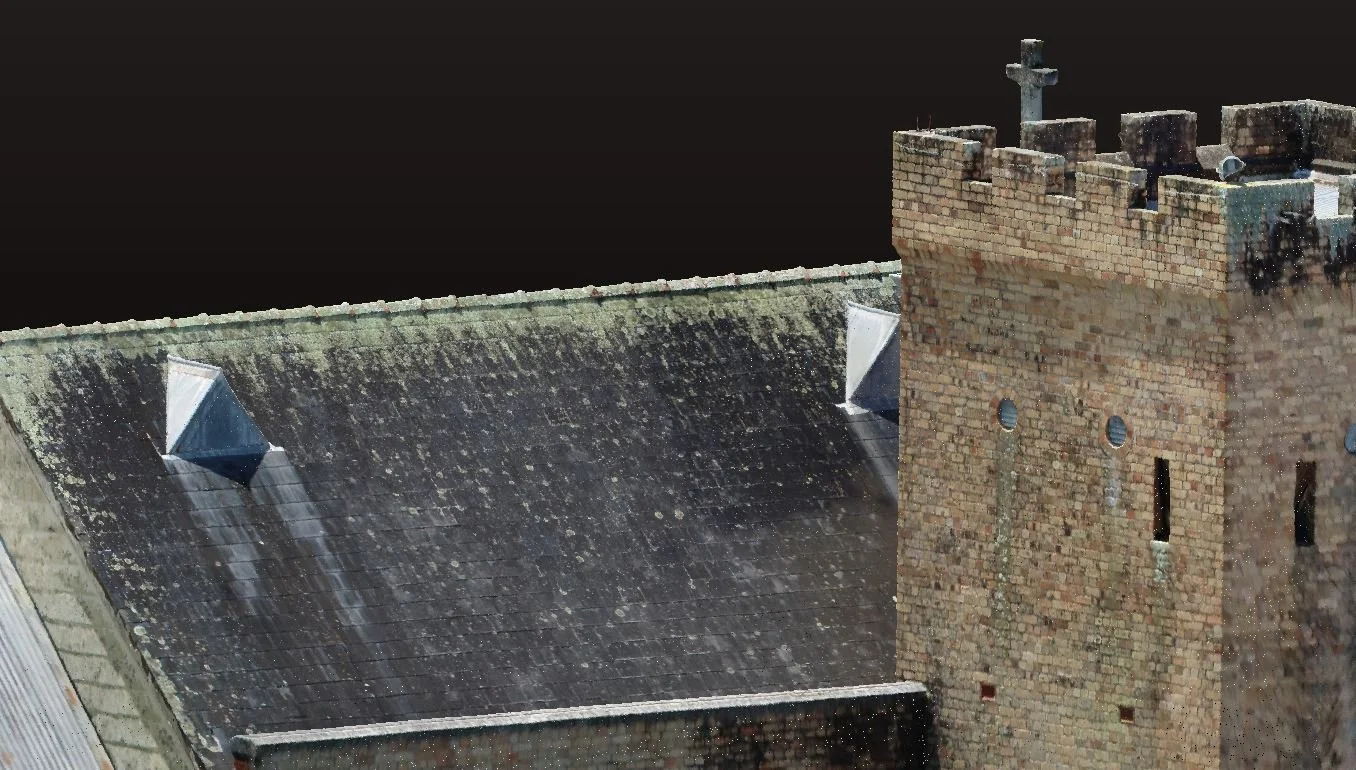
Heritage
Capture the entire site dimensions and condition quickly and accurately
Ideal for remediation work or earthquake strengthening
Generate models and templates for rebuilding key heritage components
Build informative models for teaching and AR/VR applications
Combine with UAV (drone) data for a full ground and air solution
Analyse pointcloud data for structural assessment such as wall or beam deformation
Extract topographical survey data directly from the scan pointcloud
Utilise the highly visual data for marketing and promotional material
-
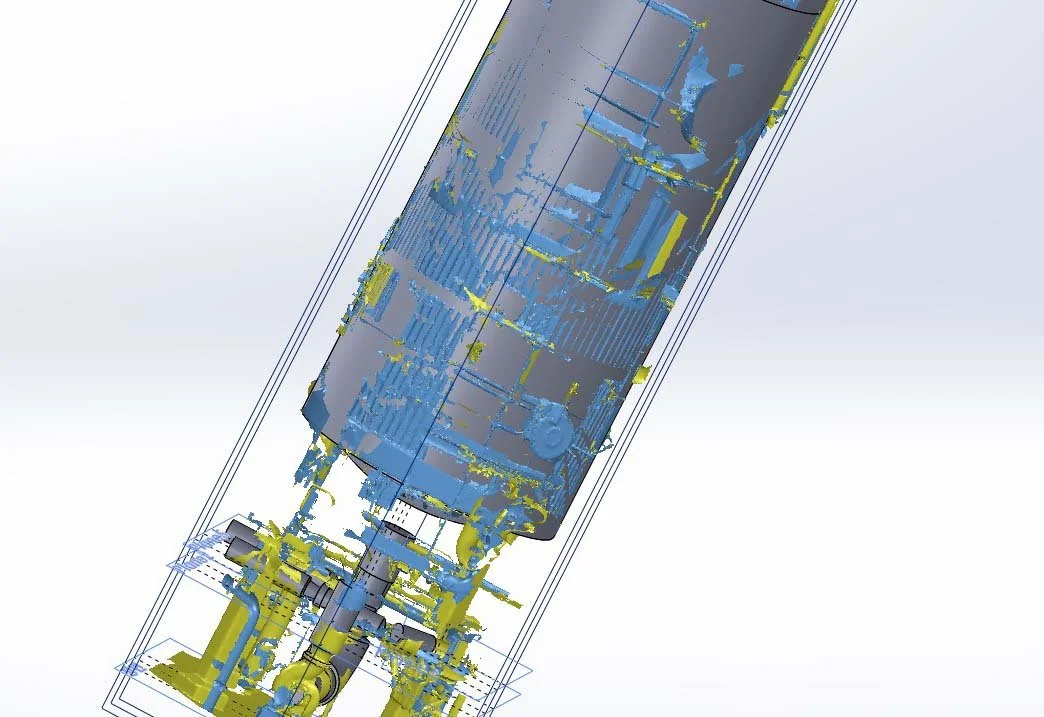
Industrial
Plant and factory 3D scanning and modelling
Boat modelling
Improve factory layout for increased efficiency
Design structures and components that will install first time, minimise shut downs
Precise component reverse engineering, no component is too big or too complex
As-built surveys
-
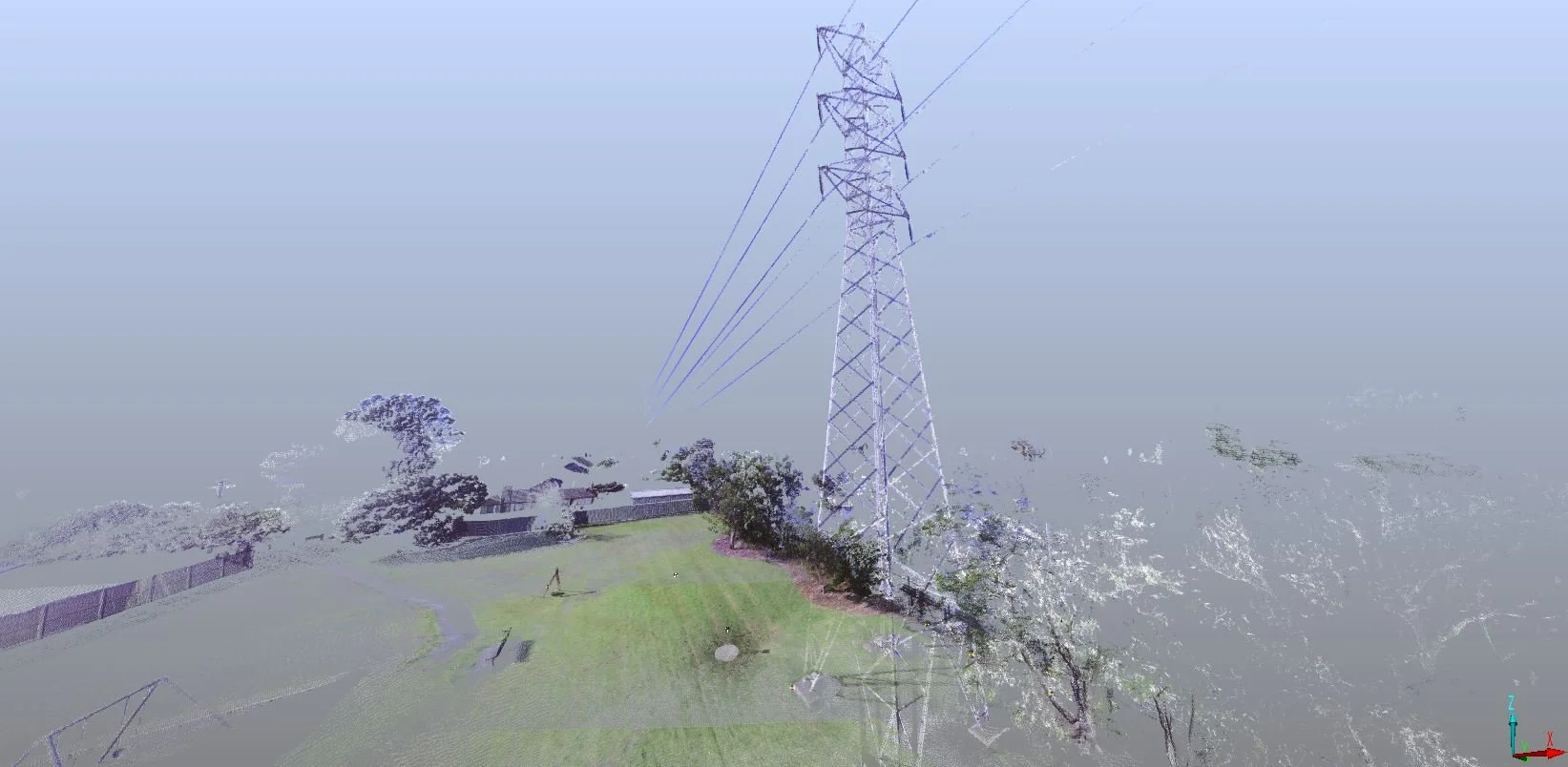
Power and Utilities
Capture and modelling of overhead wires and structures
Remote scanning of pipes and culverts
Modelling of the physical environment, enabling accurate and cost-effective design
Repeat scans to monitor and model change
Easily extract a DTM/contours for ground modelling, overland flowpath
Data supplied as pointcloud or a preferred 3D model format for direct import into your software
-
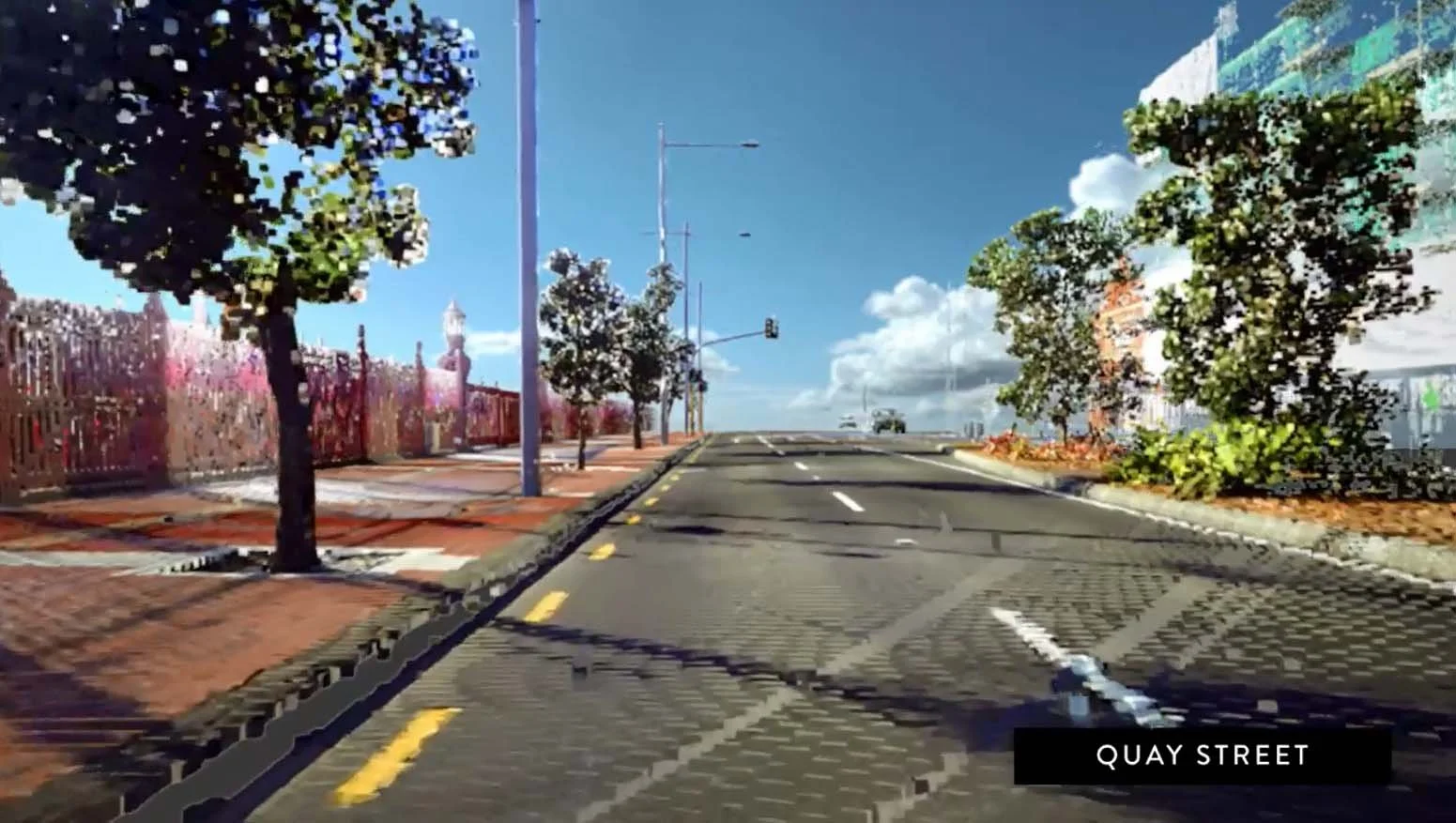
Transport
Capture all detail quickly and accurately including overhead lines, signs, kerb and channel, road surface, surrounding buildings, walls and fences
Capture and analyse pavement surface
Initial data is available within hours of completing scanning
Safety - no need for staff to be on the road pavement
More cost-effective than traditional survey techniques
Case Studies
-
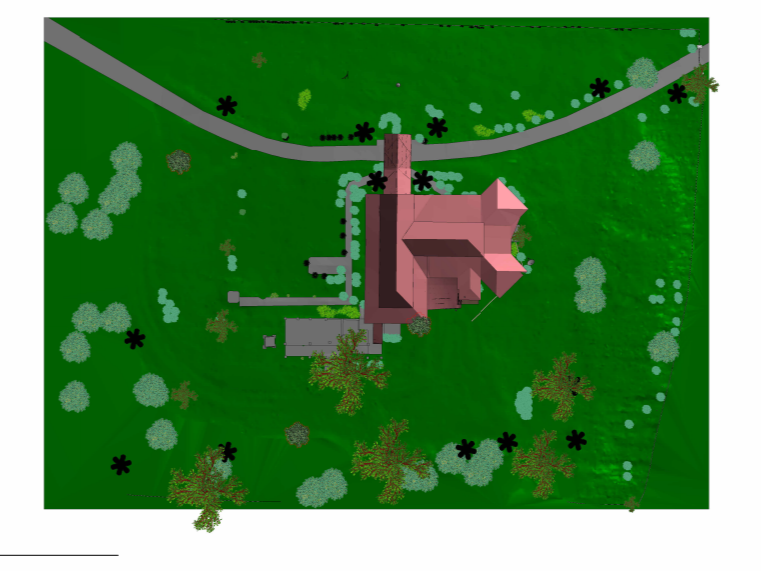
3D Laser Scan of Heritage Building, Samoa
Recon documented the historic Judge’s Residence in Apia, Samoa using 3D laser scanning and UAV surveying. The work created a detailed digital record to support heritage conservation, research and future restoration planning.
Measurable Outcomes:
- Full interior and exterior 3D laser scan completed
- Point cloud dataset generated for accurate measurement and modelling
- Scene2Go virtual walkthrough created for remote access
- Site orthophoto captured via 40 m UAV flight
- Baseline digital record established for monitoring future changes and conservation work
-
3D Laser Scanning for Large Scale Redevelopment Project Auckland
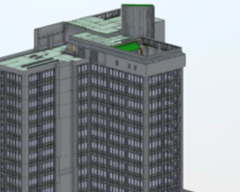
3D laser scanning for the 15-level redevelopment of 280 Queen Street, Auckland, capturing all internal floors, rooftop and exterior structure with 1mm accuracy. The survey-controlled data was converted into a full Revit model and 360° walk-throughs, providing architects and builders with precise, up-to-date information. This reduced site visits and improved coordination across the large-scale mixed-use project.
Measurable Outcomes:
- 15 levels fully scanned, plus rooftop and exterior
- 1mm survey-grade accuracy captured across all structural elements
- Complete Revit model and 360° digital walk-through delivered
- Reduced site visits and improved design coordination
- Faster decision-making and measurable time and cost efficiencies
FAQs
1. What is 3D laser scanning and how does it work?
3d scanning (terrestrial laser scanning) uses lasers to capture millions of precise measurements of objects or spaces, creating a detailed point cloud that can be turned into 3d models.
2. How accurate is 3D laser scanning?
It can achieve sub-centimetre or even millimetre-level accuracy, suitable for design, engineering and surveying purposes.
3. How long does a 3D scan take?
Small spaces may take under an hour, while large or complex sites can take several hours. 3 d scanning services is typically faster than traditional measurement methods.
4. What deliverables will I receive?
Deliverables can include point clouds, 3D CAD/BIM models, meshes, orthophotos, and visualisations in formats like IFC, DWG, or RCP. As built laser scan and commercial surveys.
5. What types of projects is 3D scanning suitable for?
3d reality capture is ideal for building renovations, heritage preservation, factory re-design and installation of new equipment, clash detection, construction, architecture and engineering projects such as earthquake strengthening design. It can also be used for tunnel mapping, bridge and other structure as-builts, as well as residential renovations.
Call us today to see how we can support your next project – we’re happy to provide a quote.